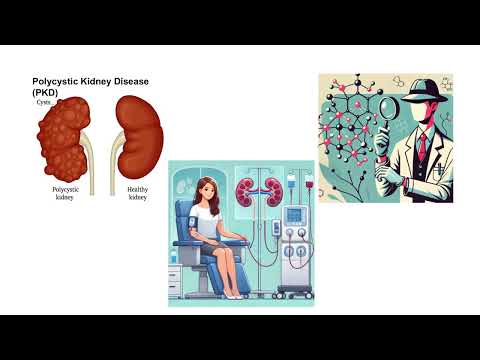
The speaker studies polycystic kidney disease by identifying missing or damaged proteins that destabilize the kidney’s filtration network. Using BioID and mass spectrometry, they map healthy versus diseased protein interactions to pinpoint weak spots. This work aims to enable targeted therapies and personalised treatments for PKD patients.

Low-grade serous ovarian cancer frequently returns after standard treatment, and current targeted drugs eventually stop working. This research investigates why cancer cells become resistant, comparing them to prey that adapt to evade a predator. By treating patient-derived tumor cells with inhibitors and analyzing the genes activated in the resistant survivors, the research aims to uncover the mechanisms behind drug resistance and guide development of more effective therapies.

Uterine cancer deaths continue to rise despite advances in other cancers. Many patients who cannot undergo surgery rely on progestin therapy, which often fails. This research tests dozens of progestins on patient tumor and immune cells, identifying five more effective candidates. The goal is safer, personalised, fertility-preserving treatment for women with uterine cancer.

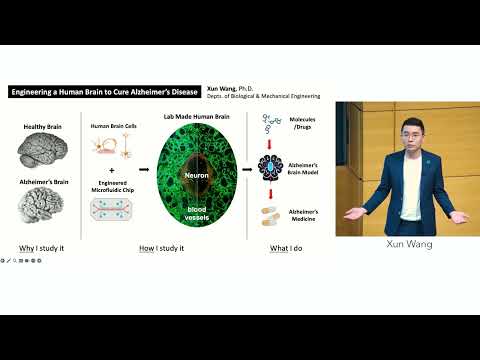
This research develops one of the most advanced human-engineered brain models to better study Alzheimer’s disease and test treatments. Using microfluidic chips containing all key brain cell types, blood-vessel systems, and Alzheimer’s-model neurons, the project enables efficient drug testing, personalised disease modelling, and the possibility of replacing animal testing in the search for a cure.

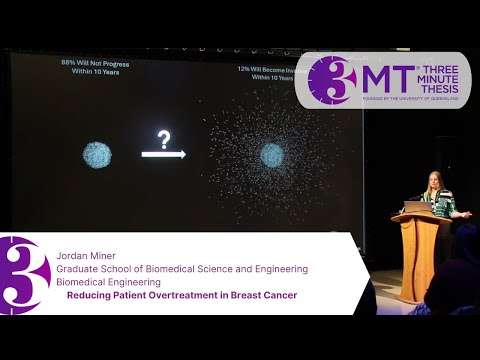
My research investigates collagen-binding receptors on breast cancer cells as potential biomarkers to distinguish harmless early-stage tumours from aggressive ones. Using genetically matched 3D cancer models, the project identifies how receptor activity affects invasion and collagen organization, aiming to reduce overtreatment and support clearer clinical decisions for early breast cancer patients.

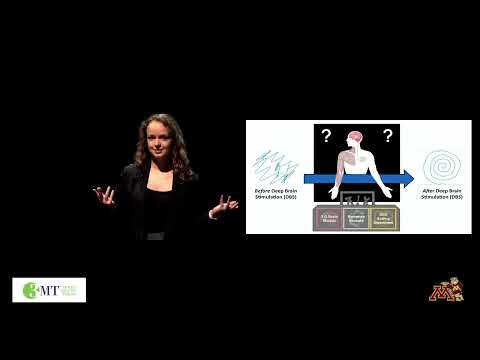
This research uses advanced brain imaging, long-term clinical monitoring, and sensor data to understand why deep brain stimulation helps Essential Tremor patients—and why it sometimes stops working. By modelling neural pathways and analysing two-year outcomes, the project identifies optimal DBS targets and the main causes of treatment failure, improving long-term patient care.

My research uses AI and wearable technology to track brain and body signals such as brain waves (EEG), heart rate, and movement. The goal?  Spotting early signs of Alzheimer's and Parkinson's before symptoms show up. Catching these subtle changes could mean helping people sooner, letting them enjoy the everyday moments that matter most

This research investigates genetic variants that influence how premature babies respond to infections and oxygen shortages—two major causes of brain injury. By analysing the DNA of over 200 premature infants, the study identifies variants linked to later movement and learning difficulties, aiming to enable earlier prediction, prevention, and personalised care.

A hidden evolutionary arms race unfolds between bacteria and the viruses that attack them. By understanding how bacteria cut and rearrange DNA through recombination, researchers can harness these mechanisms for precise gene editing. This work could enable powerful new treatments for genetic diseases, helping patients like the first personalised-therapy recipient, KJ.