
This research investigates how loneliness affects brain function across adulthood. Using brain imaging, it identifies age-related differences in activity within the caudate, a region involved in social reward processing. The findings suggest loneliness alters how people perceive social interactions, supporting the development of personalized, age-appropriate interventions to reduce chronic loneliness.

This research investigates how declining ovarian health influences brain aging and dementia risk. Using genetically engineered mouse models, it identifies inflammation and metabolic stress in the hippocampus associated with low egg quality, suggesting that treatments targeting menopause, hormonal imbalance, or insulin resistance could help protect cognitive health and prevent dementia.
2025
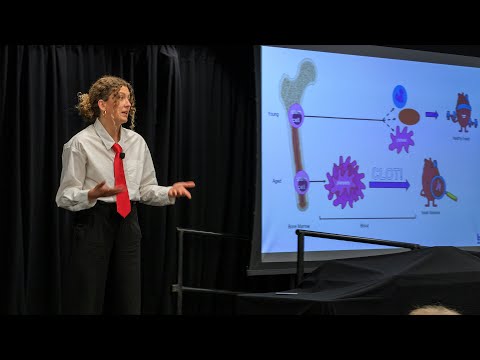
This research investigates how aging changes blood stem cells, causing them to produce excess sticky platelets that increase the risk of heart attack and stroke. By identifying the genetic mechanisms behind this age-related shortcut, the work aims to develop therapies that reduce cardiovascular disease while improving healing in patients with low platelet counts.

2025
This research examines whether changes in walking patterns can predict frailty before serious health events occur. Using smart insoles, GPS tracking, and machine learning, mobility data from older adults is analyzed to identify early warning signs of decline. The goal is to enable proactive interventions and support healthier aging.

This research applies fluid mechanics, numerical simulations, and machine learning to model the brain’s waste-clearance system during sleep. By investigating how fluid moves through brain tissue and how aging or injury affect this process, the work aims to identify strategies for preventing or slowing neurodegenerative diseases such as Alzheimer's.

2025
This research uses artificial intelligence to predict the progression of Alzheimer’s disease and cancer using medical imaging data. By analyzing brain scans, tumor scans, and treatment responses, AI models can forecast disease development and treatment outcomes, enabling earlier intervention, more personalized care, and improved quality of life for aging populations.
2026
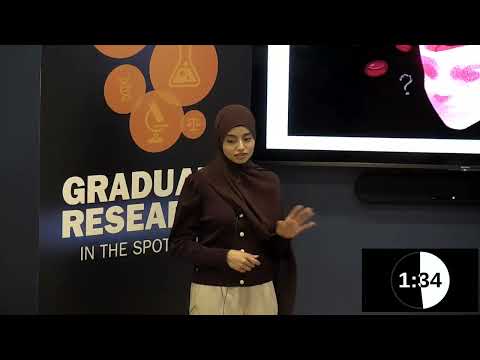
This study explores anemia as a potential risk factor for dementia, finding that nearly half of dementia patients also exhibit low hemoglobin levels, often undiagnosed. By highlighting links between blood health and cognitive decline, the research advocates earlier detection and a multidisciplinary approach to reduce dementia’s growing societal and healthcare burden.
Flash memory stores essential data but degrades with repeated use, limiting reliability in long-term applications like cars and satellites. Inspired by biological circadian rhythms, this research introduces “recovery periods” for memory cells to rest and repair. The approach improves flash memory lifespan up to ninefold, enabling more durable and dependable storage systems.
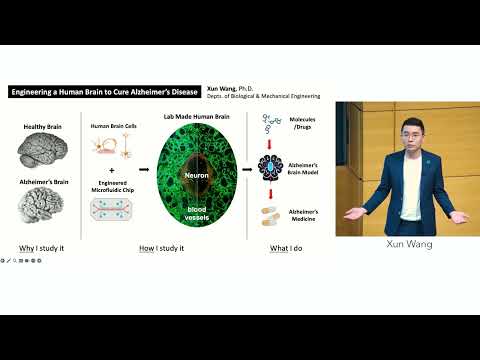
This research develops one of the most advanced human-engineered brain models to better study Alzheimer’s disease and test treatments. Using microfluidic chips containing all key brain cell types, blood-vessel systems, and Alzheimer’s-model neurons, the project enables efficient drug testing, personalised disease modelling, and the possibility of replacing animal testing in the search for a cure.