University of Massachusetts Amherst
Videos
2026
This research investigates phosphorus pollution in Lake Warner by comparing water movement and phosphorus transport through urban and forested landscapes. Forests naturally filter phosphorus due to slower water travel and greater infiltration, while…
2026
This research examines how social relationships influence the gut microbiome using Rwenzori Angolan colobus monkeys as a model. By combining social network analysis with microbial DNA sequencing, the study explores how beneficial bacteria spread…
2026
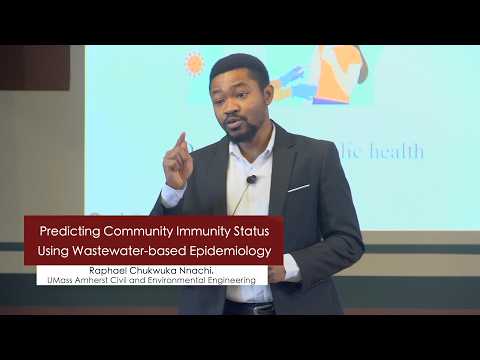
This research uses wastewater-based epidemiology to monitor antibodies excreted by communities, providing early insights into population vulnerability to infectious diseases. By analyzing antibody trends in wastewater over time, the work helps…
2026
Buildings contribute nearly 40% of global carbon emissions, largely from steel and concrete. This research explores curved cross-laminated timber (CLT), a renewable engineered wood material. The study evaluates whether curvature improves stiffness…
2026
Paleoclimate research uses ancient organic molecules preserved in Lake Malawi sediments to reconstruct over 1.4 million years of East African climate history. By studying plant biomarkers and microbial membranes, scientists reconstruct past rainfall…
2026
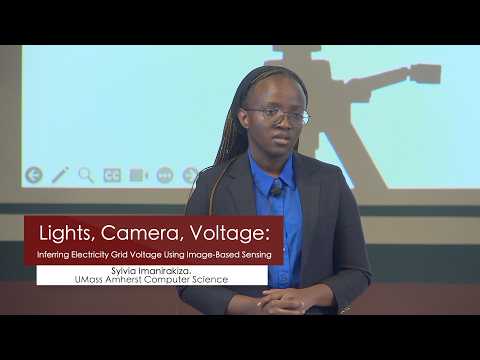
This research uses computational photography and machine learning to monitor electricity quality through the flickering patterns of everyday lights. By analyzing images captured in cities such as Kampala and Nairobi, the work offers a low-cost…
2026
This research investigates how microscopic structural defects affect the performance of rubber materials. By creating nearly defect-free polymer networks and introducing controlled flaws individually, the work isolates how each defect changes…
2026
This theatre research reimagines Eugène Ionesco’s Rhinoceros as a contemporary exploration of conformity in the digital age. Through movement, sound, lighting, costume, and stage design, the production examines how people are seduced into…
2026
This research develops nanoscale “smart package” delivery systems for PROTAC cancer drugs. Antibody nanogel conjugates selectively target cancer cells, enter them, and release therapeutic molecules while minimizing exposure to healthy tissue. The…