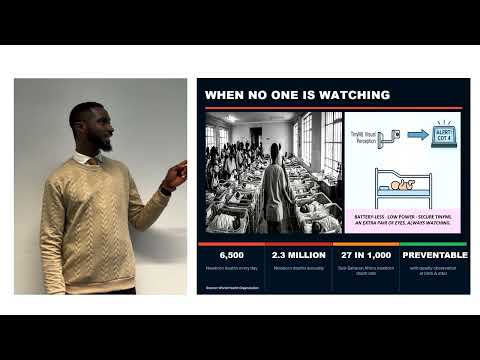
This research develops an ultra-low-power, battery-free newborn monitoring system for under-resourced hospitals. Using on-device artificial intelligence and energy harvesting, it continuously detects signs of distress while protecting patient privacy. The technology aims to support overstretched nurses, enable earlier intervention, and reduce preventable newborn deaths worldwide.
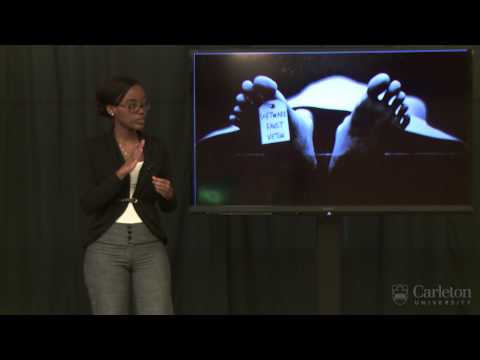
This research focuses on improving the safety of software in critical systems like cars, medical devices, and aircraft. By combining mathematical verification with modeling and simulation, it aims to detect faults before deployment. The goal is to prevent catastrophic failures and ensure that life-critical technologies can be trusted.

2025
This thesis presents the design and verification of a custom RISC-V processor implemented on Field-Programmable Gate Array (FPGA) technology. The project optimized hardware efficiency, achieved stable 50 MHz performance, and enabled software execution using SystemVerilog design and official benchmarks. It demonstrates how open-source hardware enables affordable, customizable computing solutions.
Flash memory stores essential data but degrades with repeated use, limiting reliability in long-term applications like cars and satellites. Inspired by biological circadian rhythms, this research introduces “recovery periods” for memory cells to rest and repair. The approach improves flash memory lifespan up to ninefold, enabling more durable and dependable storage systems.