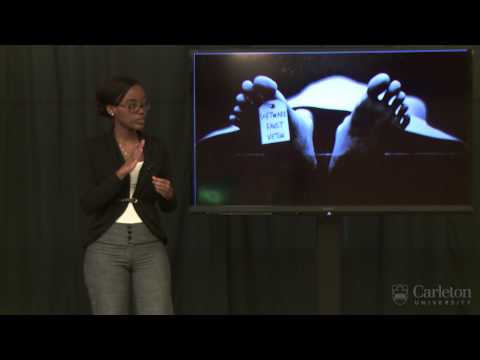
This research focuses on improving the safety of software in critical systems like cars, medical devices, and aircraft. By combining mathematical verification with modeling and simulation, it aims to detect faults before deployment. The goal is to prevent catastrophic failures and ensure that life-critical technologies can be trusted.
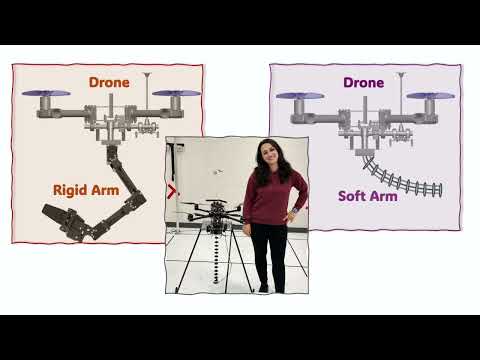
This research develops drones with soft robotic arms capable of safely grasping and transporting objects in challenging environments. By combining predictive modelling with visual feedback, it overcomes control challenges associated with soft materials. The work advances intelligent, adaptive aerial robotics for applications such as emergency delivery and hazardous environments.
This research redesigns long wind-turbine blades for low-wind-speed sites by shifting structural strength from the internal spar to the aerodynamic shell. The new “eggshell-like” design reduces bending under the blade’s own weight, requires less material, and lowers costs—helping make wind power cheaper than fossil fuels without relying on political action.