
This research transforms wood waste into bio-based protection agents for construction timber. Using green extraction methods and enzymatic modification, natural compounds are isolated and enhanced to replace toxic chemical treatments. Laboratory testing confirms their antimicrobial, antioxidant, and weather-resistant properties, supporting sustainable wood protection and circular economy principles.
2025
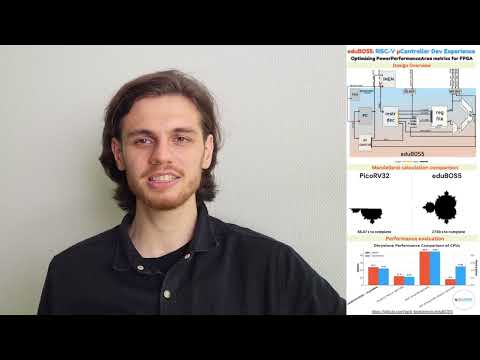
This thesis presents the design and verification of a custom RISC-V processor implemented on Field-Programmable Gate Array (FPGA) technology. The project optimized hardware efficiency, achieved stable 50 MHz performance, and enabled software execution using SystemVerilog design and official benchmarks. It demonstrates how open-source hardware enables affordable, customizable computing solutions.
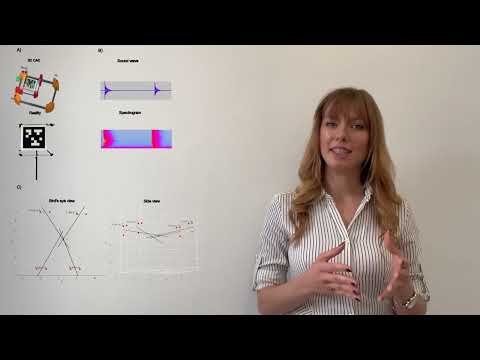
This thesis developed a real-time system for detecting, classifying, and locating sound events using only audio data. A network of 16 microphones and deep learning techniques achieved 96% classification accuracy and average localization error of 1.4 meters, demonstrating that sound-based analysis can effectively replace vision in monitoring applications.

This research examines how microorganisms in maple sap influence the quality of maple syrup. By studying bacteria such as Pseudomonas and Duganella, the project explores how environmental factors like temperature and iron availability shape microbial interactions during the tapping season, ultimately affecting syrup flavor, color, and overall production.
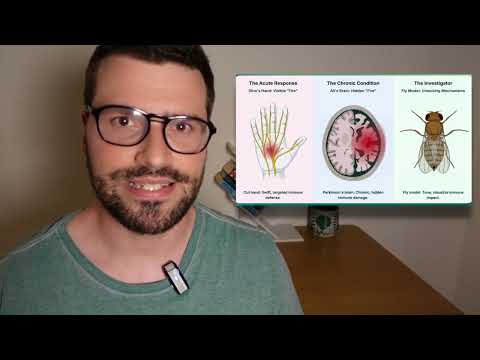
This research explores how immune-related cells and molecules, beneficial in wound healing, may become harmful in Parkinson’s disease. Using the fruit fly as a model organism, the study investigates which inflammatory processes contribute to brain damage. Early results suggest that excessive activation worsens degeneration, offering potential targets for future therapies.
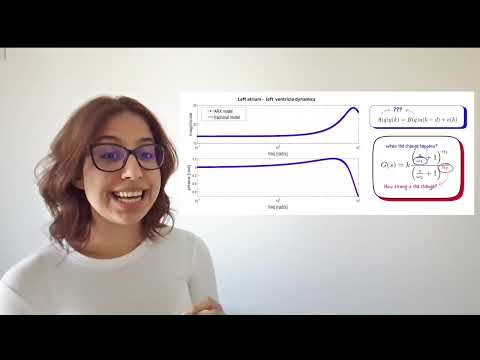
This research presents a new fractional mathematical model for cardiovascular dynamics that maintains the accuracy of traditional methods while greatly reducing complexity. Using only five interpretable parameters instead of twenty, the model analyzes blood pressure in the frequency domain, providing clearer insight into heart function and offering potential improvements for diagnosis and treatment.
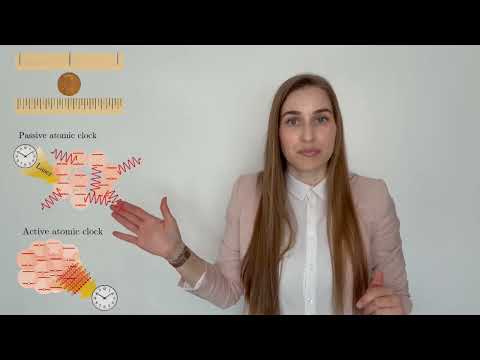
This talk explains how precise timekeeping underpins technologies like GPS and how atomic clocks achieve extreme accuracy using atomic oscillations. The research explores a new “active atomic clock” where atoms generate their own light, enabling even greater precision. Improved clocks could advance navigation, physics research, and our understanding of the universe.

This study explored food choices among high school students in Bosnia and Herzegovina, addressing a major lack of local data. Through surveys and interviews, it revealed that students care about health and sustainability but need involvement in shaping solutions. Meaningful change requires listening to youth and making healthier choices easier.

This project uses hive sound recordings and machine learning to detect early signs of bee swarming. By identifying acoustic differences between swarming and stable colonies, the system predicts swarming with 93% accuracy. This enables beekeepers to intervene early, prevent colony loss, and even create new healthy colonies.
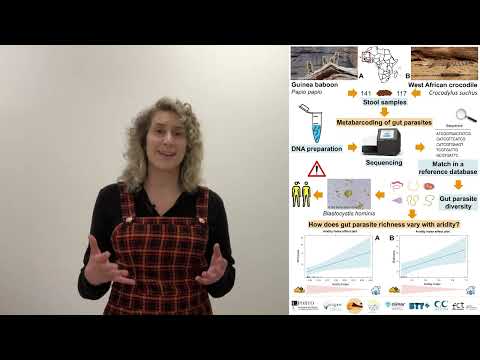
This study examined how intestinal parasite diversity changes with habitat dryness using Guinean baboons and West African crocodiles as models. Through DNA metabarcoding of 258 samples, multiple parasite species—including some zoonotic—were identified. Results showed that parasite richness decreases with increasing aridity, especially in terrestrial hosts, highlighting ecological and public health implications in climate-sensitive regions.