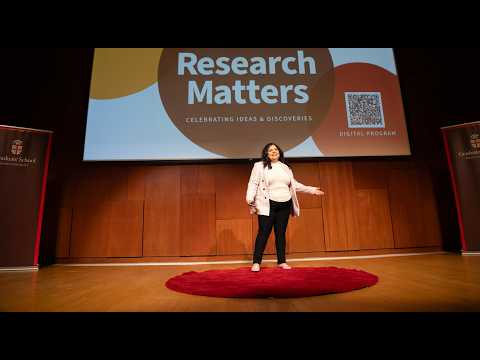
This research investigates a new targeted treatment strategy for kidney cancer by inhibiting the cancer-promoting protein PIM1 while enhancing TRAIL-mediated apoptosis. Together with the FDA-approved drug ONC201, this combination restores cancer cells' ability to self-destruct, offering a promising therapeutic approach now being evaluated in preclinical studies.
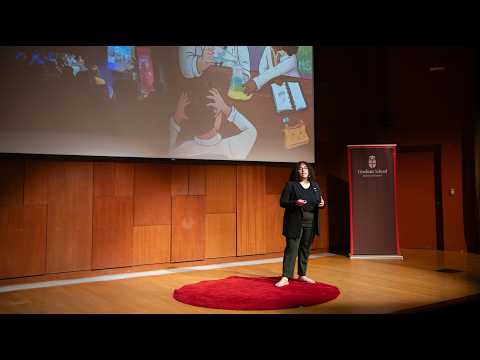
This research explores how early-life stress alters the gut microbiome and its communication with the brain, challenging the traditional "leaky gut" theory of anxiety. Using a comprehensive, lifespan-wide approach, it identifies a potential new mechanism that could enable more personalized treatments for patients who do not respond to current anxiety therapies.

This research investigates how declining ovarian health influences brain aging and dementia risk. Using genetically engineered mouse models, it identifies inflammation and metabolic stress in the hippocampus associated with low egg quality, suggesting that treatments targeting menopause, hormonal imbalance, or insulin resistance could help protect cognitive health and prevent dementia.
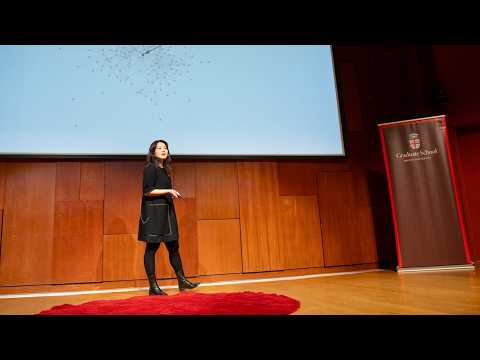
This research investigates how people strategically spread gossip by reasoning about social networks. Through laboratory experiments and real-world friendship networks, it shows that individuals balance social distance and popularity to maximize information spread while minimizing personal risk, revealing sophisticated cognitive mechanisms that support human communication and social intelligence.

2025
This research advances health equity for neurological patients by improving health literacy, engaging communities through participatory research, and implementing evidence-based healthcare practices. By designing communication around patients' lived experiences, it aims to improve treatment adherence, reduce health disparities, strengthen caregiver support, and create more accessible, person-centered healthcare systems.
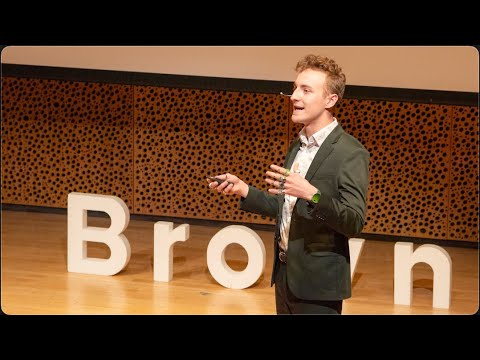
This research demonstrates how combining business management and epidemiology can improve hospital infection prevention. Through behavioral interventions, organizational audits, and patient engagement, three initiatives increased hand hygiene compliance by 15%. The work highlights the importance of interdisciplinary thinking, organizational culture, and accountability in creating safer healthcare environments.

This research develops a brain-inspired optical imaging system that mimics human vision to reconstruct objects hidden by fog, smoke, and biological tissue. Combining event-based cameras, spiking neural networks, and neuromorphic processors, it enables fast, energy-efficient imaging with applications in autonomous vehicles, emergency response, and non-invasive medical diagnostics.