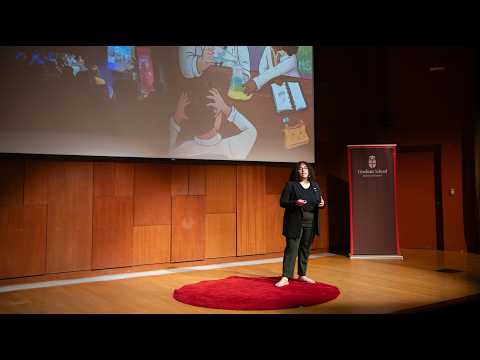
This research explores how early-life stress alters the gut microbiome and its communication with the brain, challenging the traditional "leaky gut" theory of anxiety. Using a comprehensive, lifespan-wide approach, it identifies a potential new mechanism that could enable more personalized treatments for patients who do not respond to current anxiety therapies.

2026
This research investigates whether zinc plays a critical role in the ability of psychedelic drugs to reopen social reward critical periods in the brain. Using mouse models, the study examines how zinc influences social behavior following psychedelic treatment, potentially revealing mechanisms of brain plasticity relevant to autism, social anxiety, and social connection.

This research investigates how the olfactory system of the Spanish ribbed newt adapts between aquatic and terrestrial environments. By analyzing cellular and genetic changes in the nose, the study reveals remarkable sensory plasticity, offering broader insights into nervous system flexibility and potential implications for understanding neurodegenerative diseases such as dementia.
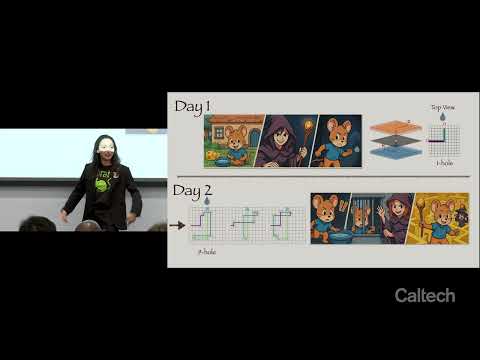
This research uses the Manhattan maze to study rapid learning and memory in mice. The study demonstrates that mice can acquire complex navigation sequences after only a few rewards, retain memories overnight, and generalize learned strategies to new mazes. The findings provide insights into few-shot learning, memory formation, and adaptive intelligence.