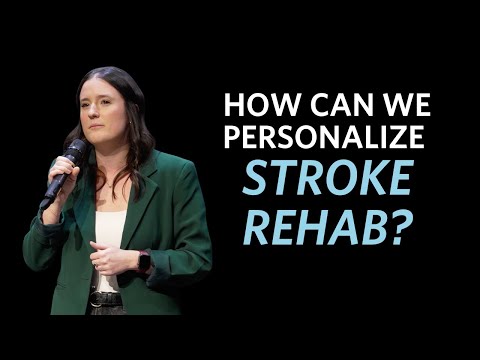
This research explores motor imagery as a rehabilitation tool after stroke. Brain imaging revealed sex-based differences in neural activation, with females showing greater efficiency. Practice improves patterns in both sexes. Understanding these differences enables personalized, home-based rehabilitation that may enhance recovery of arm and hand function.

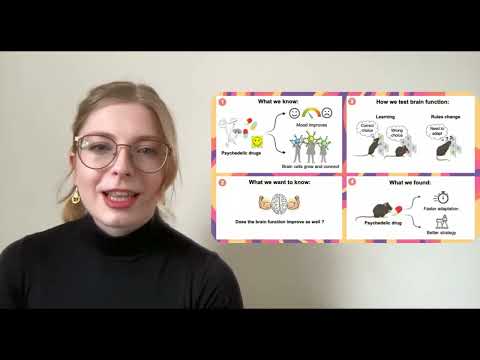
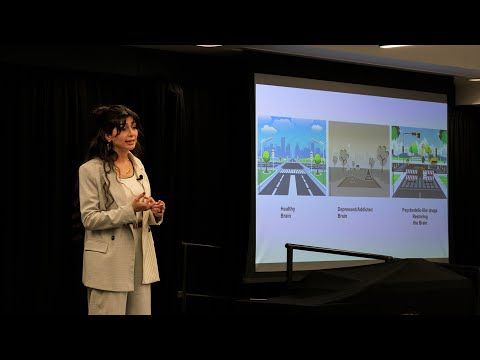
This research tests whether psychedelics improve adaptability in mice. After learning reward rules, mice with a single psychedelic treatment relearned new rules faster and used more information—learning not only from rewards but also from missed rewards. The findings suggest psychedelics enhance behavioral flexibility, offering clues for developing future mental health treatments.

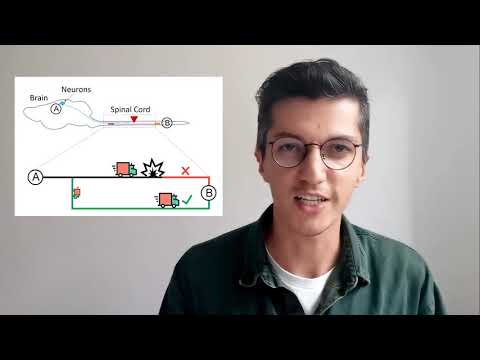
This research explores neural remodeling—the process by which neurons form new connections after spinal cord injury. Using mouse models, the work identifies genes involved in detour pathways and enhances them through gene therapy, strengthening recovery. The goal is to develop future treatments that improve functional outcomes for people with central nervous system injuries.

My research explores whether people with semantic dementia can relearn everyday words through simple, repeated online training. Patients practiced picture–word pairs daily for two months and showed strong, lasting improvements that transferred to real-life use. The findings offer hope for patients and reveal how targeted practice can reshape the brain despite disease.

Learning a new language, even later in life, can boost attention within a single week and support long-term cognitive resilience. Intensive language learners outperform peers in non-language courses, with benefits spanning ages 18–78. Practising five hours weekly maintains gains, offering a promising, accessible strategy for stroke recovery and dementia delay.