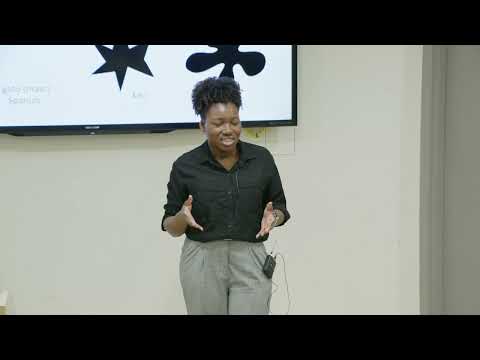
This research investigates sound symbolism: the relationship between particular speech sounds and perceived meanings. By analysing animal names in English, French, and Spanish, it examines whether consonants, vowels, and syllable stress correspond with characteristics such as size and danger, helping explain language evolution and potentially informing language learning and word creation.

2026
This research aims to improve literacy for deaf people by developing a practical writing system for sign languages. Because most sign languages lack a standard written form, deaf learners often struggle with written English. The project creates readable sign-language texts and tests whether they can support literacy in deaf communities worldwide.

This research explores how virtual reality can develop intercultural competence in young English learners. Through an immersive VR game comparing Chinese and New Zealand cultures, children build cultural understanding, openness, and critical awareness. The project also establishes design principles to help educators create accessible intercultural learning experiences through VR.
This study investigates whether morphological awareness—the ability to understand word structure—can improve literacy in both English and Chinese among bilingual children. Through an eight-week training program, Chinese-English bilingual children learn word-building patterns. The research explores whether morphological awareness can serve as a bridge connecting literacy development across both languages.

This research examines how multilingual college students use AI writing tools and whether these tools support or hinder learning. The findings suggest that learning outcomes depend on how AI is used. When employed as a scaffold for feedback and reflection rather than a shortcut, AI can enhance writing development and critical thinking.
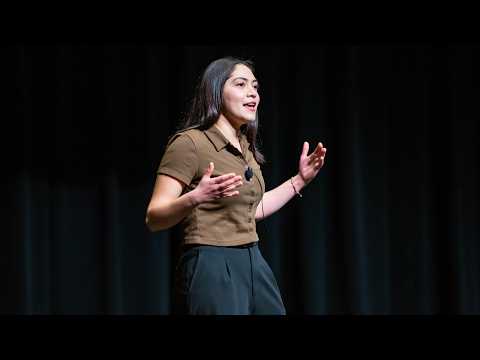
This research develops context-aware AI integrated with extended reality glasses, enabling systems to perceive and interact within real-world environments. Applications include language learning and memory support. Findings show such AI fosters more natural, collaborative interactions, enhancing human perception, memory, and decision-making beyond traditional screen-based interfaces.
This research investigates how explicit morphology instruction improves literacy by helping readers infer word meanings. Through teacher professional learning and classroom interventions, the study shows gains in teacher confidence and student literacy, especially for learners with dyslexia, highlighting morphology as a powerful, equitable reading strategy.

Learning a new language, even later in life, can boost attention within a single week and support long-term cognitive resilience. Intensive language learners outperform peers in non-language courses, with benefits spanning ages 18–78. Practising five hours weekly maintains gains, offering a promising, accessible strategy for stroke recovery and dementia delay.