This research aims to improve literacy for deaf people by developing a practical writing system for sign languages. Because most sign languages lack a standard written form, deaf learners often struggle with written English. The project creates readable sign-language texts and tests whether they can support literacy in deaf communities worldwide.
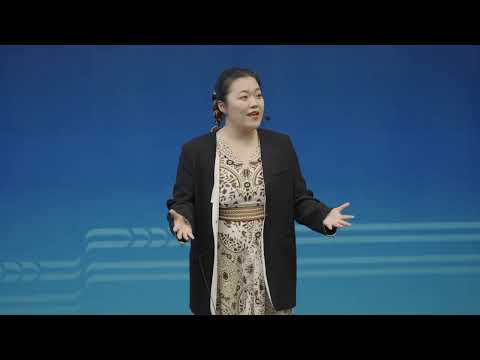
This research explores how virtual reality can develop intercultural competence in young English learners. Through an immersive VR game comparing Chinese and New Zealand cultures, children build cultural understanding, openness, and critical awareness. The project also establishes design principles to help educators create accessible intercultural learning experiences through VR.
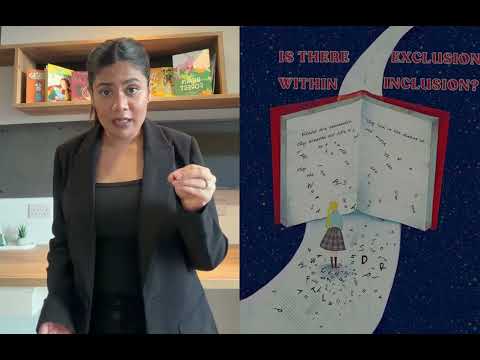
This research explores how children's literature represents neurodiversity and how those representations shape children's sense of identity and inclusion. By gathering perspectives from readers and educators, the project aims to develop a reading programme featuring authentic, diverse stories so every child can see themselves reflected in literature.
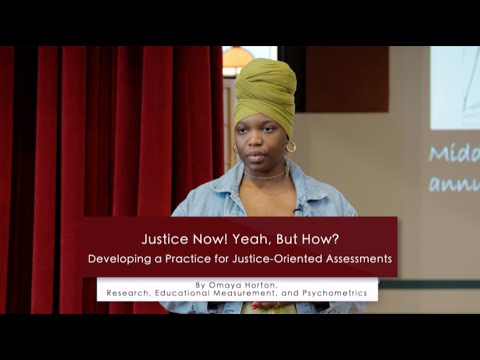
This research examines how educational assessment systems can become more just, inclusive, and culturally relevant. Using participatory action research, it proposes a five-step framework emphasizing community collaboration, anti-racist assessment design, continuous revision, and student-centered approaches that prioritize equity, engagement, identity, and educational justice over standardized measurement alone.
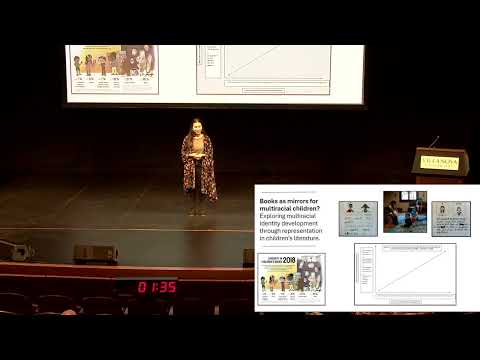
This study examines how multiracial representation in children’s literature influences identity development. Through a library reading program, observational, visual, and narrative data showed that multiracial children engage more deeply and express stronger identity integration when represented. Findings highlight the importance of inclusive storytelling in fostering belonging and supporting healthy racial identity formation.
This research develops realistic surgical simulation models using 3D printing to improve training for complex procedures. By enabling repeated practice in a safe environment, the models enhance skill, confidence, and performance. The work aims to make advanced surgical training more accessible while reducing errors and improving patient outcomes.
This neuroscience study shows that brief pre-lecture interactions significantly improve learning. Students who chatted with either a human teacher or an AI tutor before watching a video lecture performed better and showed greater brain synchrony in MRI scans. Social interaction—human or artificial—primes the brain for more effective learning.
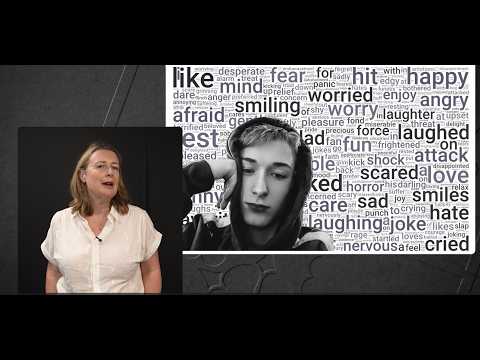
This research investigates how explicit morphology instruction improves literacy by helping readers infer word meanings. Through teacher professional learning and classroom interventions, the study shows gains in teacher confidence and student literacy, especially for learners with dyslexia, highlighting morphology as a powerful, equitable reading strategy.
My PhD explores children’s well-being at ages 10–11 by integrating children’s voices with parent and teacher perspectives. Using child-centred methods, it identifies key influences during a critical transition. The research prioritizes children as experts, informing better measurement, intervention, and long-term understanding of how well-being evolves over time.