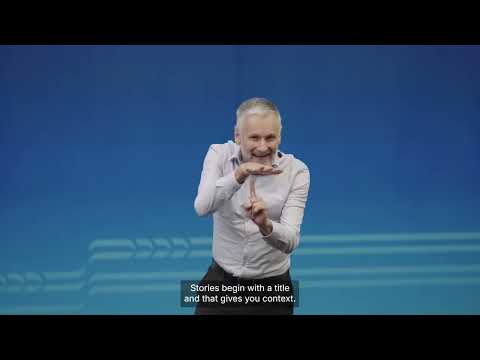
This research aims to improve literacy for deaf people by developing a practical writing system for sign languages. Because most sign languages lack a standard written form, deaf learners often struggle with written English. The project creates readable sign-language texts and tests whether they can support literacy in deaf communities worldwide.
This research explores how generative AI can create personalized reading materials based on autistic children’s special interests. Using AI-generated stories tailored to individual passions, the study examines effects on engagement and story retelling, suggesting that personalized, strength-based educational tools may improve reading experiences and accessibility for neurodivergent learners.
This study examines whether picture-based communication boards can help minimally verbal autistic preschoolers initiate communication independently. Through structured play sessions, children are introduced to visual tools that may support self-expression without adult prompting. The research aims to enhance participation, language development, and autonomy by shifting children from passive observers to active communicators.
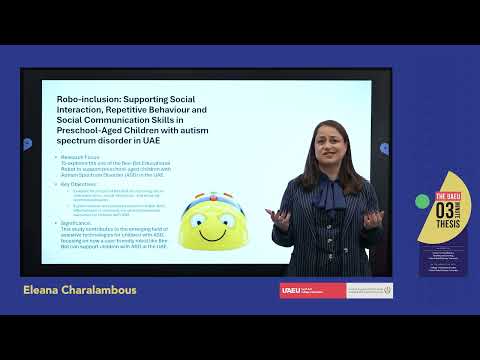
This research investigates the use of Bee-Bot, a programmable robot, to support children with autism. Structured robot-based activities aim to improve communication, social interaction, and purposeful play, while incorporating parent and teacher perspectives to assess long-term developmental and behavioral benefits.