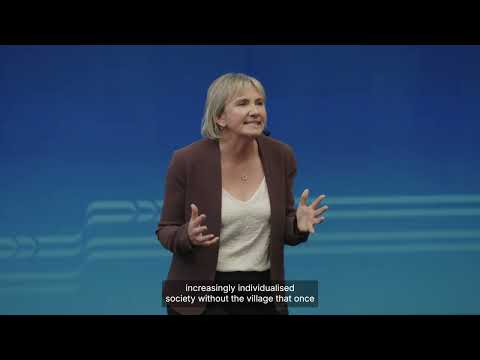
This research examines how maternal self-efficacy develops during matrescence, the transition to motherhood. Through interviews with new mothers and analysis of the SPACE programme, it shows that confidence in parenting grows not from perfection but from supportive environments, highlighting the need to rebuild community support for new mothers.
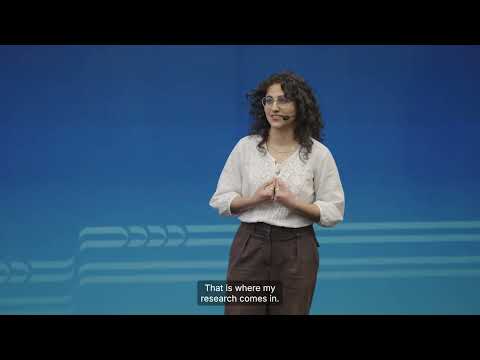
This research investigates how New Zealand's childhood vision screening programme can better detect and treat vision problems. By trialling more frequent and accurate screening alongside fully funded school-based eye examinations, the project aims to improve eye-care access, reduce inequalities, inform national policy, and ensure every child has the opportunity to see clearly.
2026
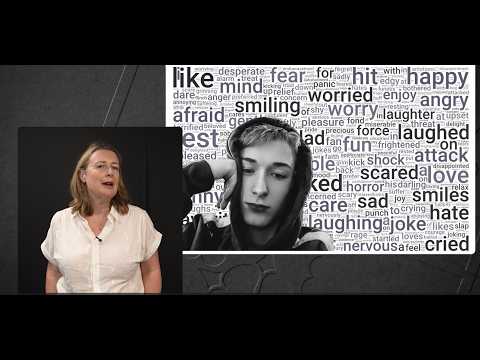
This research investigates whether teenagers miss important socio-emotional development when they stop reading fiction. Using a 2.4 million-word corpus compiled from books read by nearly 700 adolescents, it found rich emotional vocabulary and physical descriptions of emotions that may strengthen emotion recognition, emotional regulation, empathy, and adolescent mental health.
2020
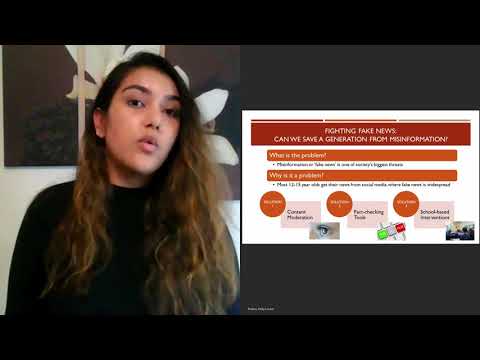
This research investigates how schools can reduce children's susceptibility to online misinformation. While content moderation and fact-checking have limitations, evidence suggests critical thinking education significantly improves children's ability to identify fake news. The project aims to develop school-based interventions that strengthen digital literacy and promote safer online behaviour.
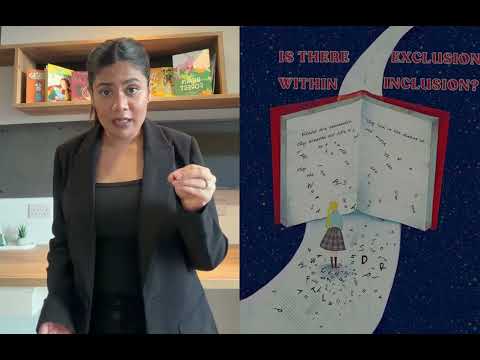
This research explores how children's literature represents neurodiversity and how those representations shape children's sense of identity and inclusion. By gathering perspectives from readers and educators, the project aims to develop a reading programme featuring authentic, diverse stories so every child can see themselves reflected in literature.
This study investigates whether morphological awareness—the ability to understand word structure—can improve literacy in both English and Chinese among bilingual children. Through an eight-week training program, Chinese-English bilingual children learn word-building patterns. The research explores whether morphological awareness can serve as a bridge connecting literacy development across both languages.

This research explores how generative AI can create personalized reading materials based on autistic children’s special interests. Using AI-generated stories tailored to individual passions, the study examines effects on engagement and story retelling, suggesting that personalized, strength-based educational tools may improve reading experiences and accessibility for neurodivergent learners.
2025
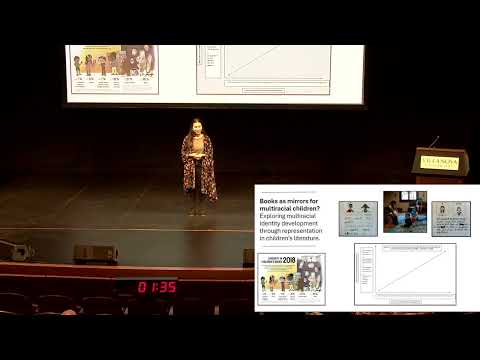
This study examines how multiracial representation in children’s literature influences identity development. Through a library reading program, observational, visual, and narrative data showed that multiracial children engage more deeply and express stronger identity integration when represented. Findings highlight the importance of inclusive storytelling in fostering belonging and supporting healthy racial identity formation.
This study examines how children process the speech envelope, a key acoustic feature of language. Brain data from ages 4–18 reveal a developmental shift from left- to right-hemisphere processing. This newly identified trajectory may help detect language impairments and improve early interventions in speech and language development.
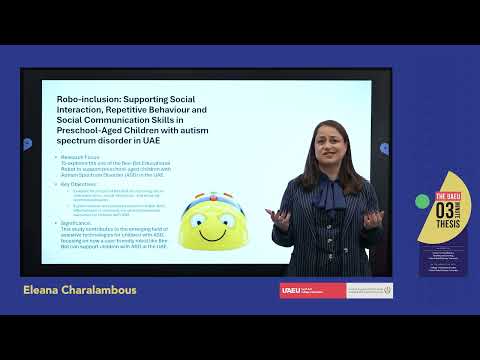
This research investigates the use of Bee-Bot, a programmable robot, to support children with autism. Structured robot-based activities aim to improve communication, social interaction, and purposeful play, while incorporating parent and teacher perspectives to assess long-term developmental and behavioral benefits.