
This research investigates how New Zealand's childhood vision screening programme can better detect and treat vision problems. By trialling more frequent and accurate screening alongside fully funded school-based eye examinations, the project aims to improve eye-care access, reduce inequalities, inform national policy, and ensure every child has the opportunity to see clearly.
This research develops reliable AI-powered drone systems to support New Zealand’s Predator Free 2050 initiative. By improving neural network calibration, uncertainty estimation, and robustness in challenging real-world conditions, the project aims to accurately detect invasive predators and better protect endangered native bird species.

This research develops a universal writing system for sign languages, enabling Deaf communities to record and edit stories in their own languages. The system combines handwritten simplicity with digital notation, capturing facial expression, body movement, and spatial structure to reflect the full linguistic richness and visual complexity of signed communication.
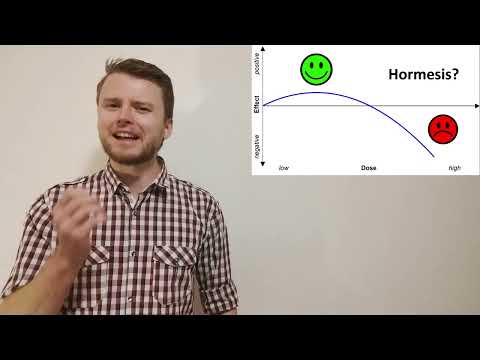
This research applies the concept of hormesis—where low doses are beneficial but high doses harmful—to pornography use. Since excessive porn use is associated with mental-health problems, the project seeks to identify the “healthy limit” of use. Participants will complete daily smartphone surveys over a month, allowing the researcher to model how porn consumption affects well-being and how moral beliefs modify these effects. The goal is to build a personalised app that guides individuals toward safe levels of use and reduces polarisation in debates about pornography.