Home
My-Thesis
Real scholars, real research
User account menu
  • Log in
Main navigation
  • Home
  • About
  • Contact
  • Site search
  • Blog

Breadcrumb

  1. Home

Matrescence and the Importance of Maternal Self-Efficacy - Jozie Sharpe

University of Auckland
2026
Matrescence
Early Motherhood
Maternal Self-Efficacy
Motherhood
Parenting
New Mothers
maternal mental health
Maternal Wellbeing
Parenting Confidence
Identity Development
neuroscience
brain development
social cognition
emotion regulation
empathy
child development
Infant Development
Parenting Research
maternal health
Women's Health
Postpartum
Transition To Motherhood
Early Parenting
family support
Community Support
social support
mental health
developmental psychology
Parenting Programmes
SPACE Programme
qualitative research
Maternal Identity
Mother-Infant Relationship
public health
Women's Wellbeing
Perinatal Health
Parenting Education
Family Psychology
Early Childhood
health research

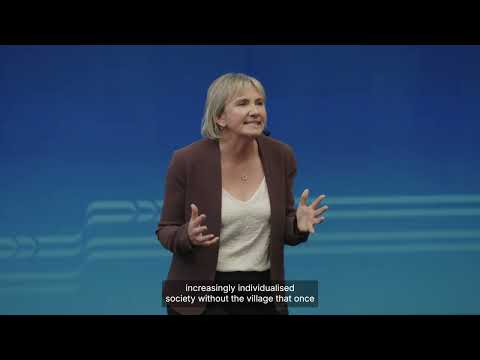
This research examines how maternal self-efficacy develops during matrescence, the transition to motherhood. Through interviews with new mothers and analysis of the SPACE programme, it shows that confidence in parenting grows not from perfection but from supportive environments, highlighting the need to rebuild community support for new mothers.
Monkey Microbes: How Social Groups Inform Health - Laura Haynes

University of Massachusetts Amherst
2026
gut microbiome
microbiome research
Primatology
Social Networks
evolutionary biology
Microbial Diversity
gut health
Colobus Monkeys
Uganda
behavioral ecology
social behavior
DNA sequencing
microbial ecology
evolution
Primate Research
Health Science
immune system
Infant Development
Social Transmission
Field Biology
Gastrointestinal Microbiome
comparative biology
animal behavior
human evolution
Symbiosis
Community Ecology
Biological Anthropology
Wildlife Research
Host-Microbe Interactions
Social Evolution
Disease Defense
Microbial Transmission
ecology
Microbial Genetics
Evolutionary Anthropology

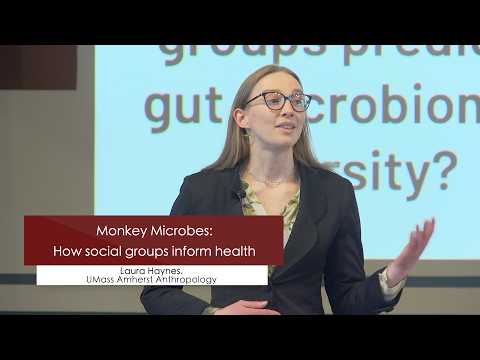
This research examines how social relationships influence the gut microbiome using Rwenzori Angolan colobus monkeys as a model. By combining social network analysis with microbial DNA sequencing, the study explores how beneficial bacteria spread through social groups and caregiving relationships, offering insights into the evolutionary connections between sociality and health.


Subscribe to Infant Development
Footer
  • About My-Thesis.org
  • Contact
  • Website terms and conditions
  • Cookies
  • Privacy policy

Partners

Logo
University of Bristol logo