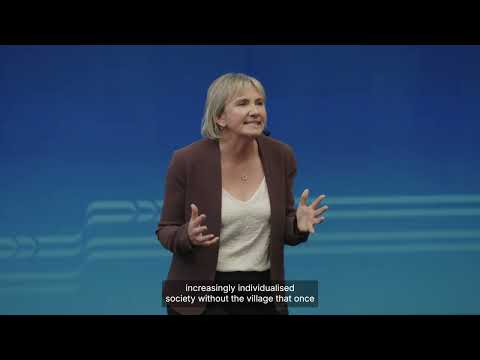
This research examines how maternal self-efficacy develops during matrescence, the transition to motherhood. Through interviews with new mothers and analysis of the SPACE programme, it shows that confidence in parenting grows not from perfection but from supportive environments, highlighting the need to rebuild community support for new mothers.
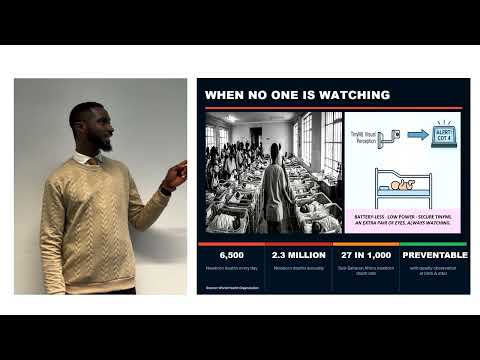
This research develops an ultra-low-power, battery-free newborn monitoring system for under-resourced hospitals. Using on-device artificial intelligence and energy harvesting, it continuously detects signs of distress while protecting patient privacy. The technology aims to support overstretched nurses, enable earlier intervention, and reduce preventable newborn deaths worldwide.

This research investigates whether blood flow restriction training can improve postpartum recovery by enhancing the benefits of everyday activities. By integrating low-intensity exercise into routine childcare, household tasks, and walking, the study aims to increase strength, endurance, and well-being while reducing pain and fatigue in new mothers.
2026
This research addresses the lack of psychological support for bereaved parents in low-resource settings. After reviewing global evidence and consulting experts and parents, it aims to develop a culturally appropriate, community-based intervention in Malawi. The goal is scalable, evidence-based support integrated into health systems to reduce mental health risks after pregnancy and neonatal loss.
Obesity during pregnancy can have long-term health effects on offspring, increasing their risk of conditions like non-alcoholic fatty liver disease (NAFLD). NAFLD is the most common liver disease in children, and is characterized by excess fat buildup in the liver, leading to inflammation, liver damage and liver failure. Breast/chest feeding helps counteract the effects of obesity, but what about for NAFLD? Human milk contains biological nanovesicles called milk-derived extracellular vesicles (MEVs). MEVs positively influence metabolism and can be anti-inflammatory. My study explores how MEVs impact NAFLD risk in offspring with gestational obesity. I hypothesize that MEVs will provide protection against NAFLD and reduce chronic liver inflammation and fat buildup in offspring. Understanding MEVs’ role could shape policies promoting breastfeeding and the enhancement of infant formulas with MEVs, providing a new approach to improve long-term health outcomes for children.
This research investigates the safety of targeted synthetic DMARDs during pregnancy in people with autoimmune joint diseases. Using 20 years of population-level health data, it identifies increased risk of low birth weight associated with prenatal exposure. The findings aim to inform clinical guidance and empower patients to make safer, evidence-based decisions about pregnancy.
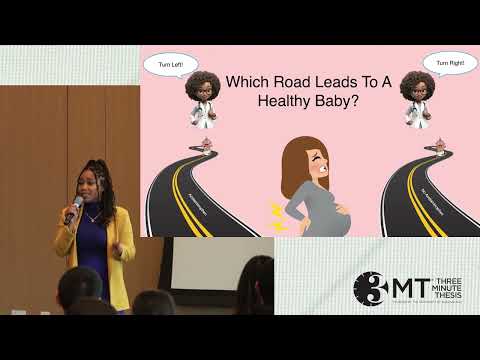
Acetaminophen is widely used in pregnancy despite limited evidence about its risks. This research examines whether acetaminophen affects birth timing and weight, who uses it and why, and how clinicians make recommendations. By mapping lived experiences, medical guidance, and outcomes, the project aims to clarify risks and support informed decision-making for families.
My research analyzes historical data from 350 rural counties in the Russian Empire to measure the impact of hiring the first female physicians. Using causal statistical methods, it shows that women doctors dramatically reduced infant mortality and improved overall health, largely by increasing women’s access to care and boosting healthcare quality.
Electricity access doesn’t always translate into real development benefits. In Timor-Leste, “100% access” still leaves hospitals dark at night. A review of global evidence shows that over a third of electrification outcomes are neutral or negative. This research explores barriers that limit electricity’s impact to inform better policy and community support.