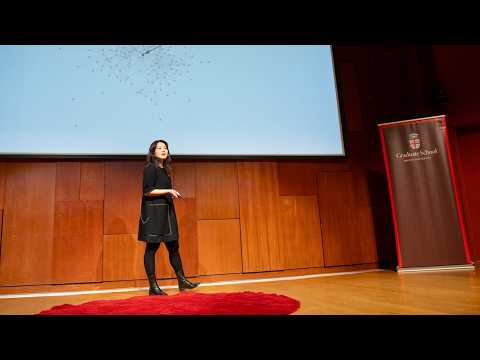
This research investigates how people strategically spread gossip by reasoning about social networks. Through laboratory experiments and real-world friendship networks, it shows that individuals balance social distance and popularity to maximize information spread while minimizing personal risk, revealing sophisticated cognitive mechanisms that support human communication and social intelligence.
2026
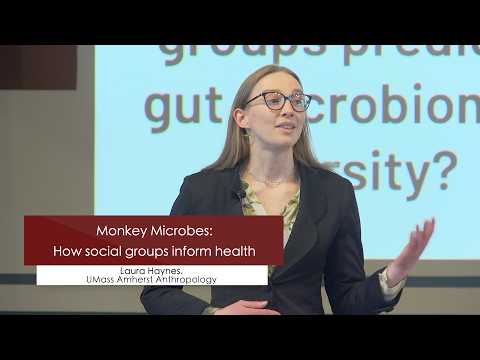
This research examines how social relationships influence the gut microbiome using Rwenzori Angolan colobus monkeys as a model. By combining social network analysis with microbial DNA sequencing, the study explores how beneficial bacteria spread through social groups and caregiving relationships, offering insights into the evolutionary connections between sociality and health.

This research examines how social networks influence life outcomes, showing that cross-income friendships significantly improve earnings, well-being, and social trust for low-income individuals. Using large-scale data, it demonstrates that environment shapes opportunity, highlighting the importance of institutions like universities in fostering connections that can transform lives and promote social mobility.