This research investigates how painted turtles survive months without oxygen through epigenetic regulation. By identifying gene-switching mechanisms, it aims to uncover biological strategies for extreme hypoxia tolerance. These insights could inform medical, environmental, and space applications, potentially extending human survival in low-oxygen conditions and advancing fields like transplantation and exploration.

This research shows that damselfly species lose color variation when living together, adopting distinct colors to avoid misidentification and conflict. Experiments reveal they cannot distinguish species when polymorphic, leading evolution to favor visual divergence. The findings illustrate how natural selection can reduce aggression and promote coexistence between closely related species.

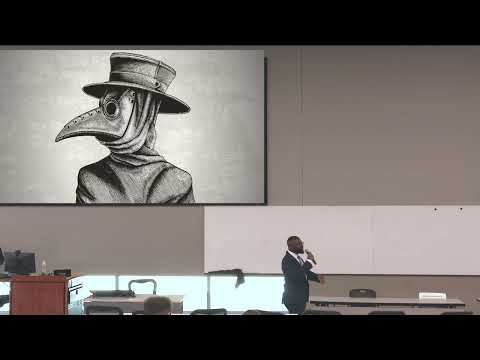
This talk traces the devastation of the Black Death to highlight a modern crisis: antibiotic resistance. Misuse of antibiotics accelerates the rise of superbugs. Using AI and machine learning, the research identifies genetic resistance patterns and guides effective treatments, aiming to improve clinical decisions and prevent a return to a pre-antibiotic era.

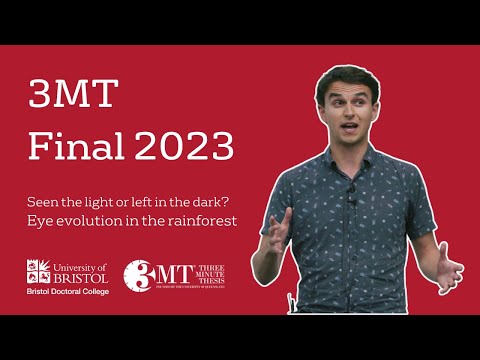
This research investigates how Amazonian butterflies evolve their visual systems to match the light conditions of different rainforest niches. By comparing eye and brain structures across many species, it reveals that evolution repeatedly finds the same sensory solutions, showing that adaptation can be surprisingly predictable and may drive the formation of new species.