This research examines how maternal self-efficacy develops during matrescence, the transition to motherhood. Through interviews with new mothers and analysis of the SPACE programme, it shows that confidence in parenting grows not from perfection but from supportive environments, highlighting the need to rebuild community support for new mothers.
This study examines whether picture-based communication boards can help minimally verbal autistic preschoolers initiate communication independently. Through structured play sessions, children are introduced to visual tools that may support self-expression without adult prompting. The research aims to enhance participation, language development, and autonomy by shifting children from passive observers to active communicators.
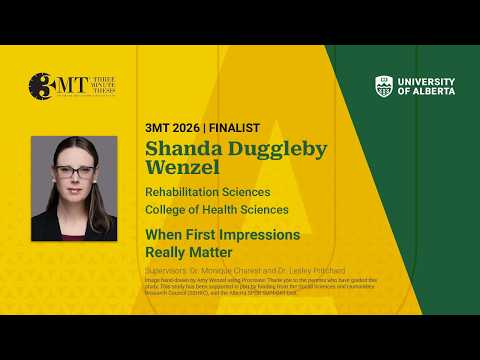
This research examines parents’ experiences of early speech and language assessments. It highlights emotional stress, inequities in access, and lack of diverse representation in existing research. By incorporating diverse parental perspectives, the study aims to inform resources, clinical practice, and policy to improve engagement and outcomes in speech therapy.