
This research investigates how New Zealand's childhood vision screening programme can better detect and treat vision problems. By trialling more frequent and accurate screening alongside fully funded school-based eye examinations, the project aims to improve eye-care access, reduce inequalities, inform national policy, and ensure every child has the opportunity to see clearly.

2025
This research advances health equity for neurological patients by improving health literacy, engaging communities through participatory research, and implementing evidence-based healthcare practices. By designing communication around patients' lived experiences, it aims to improve treatment adherence, reduce health disparities, strengthen caregiver support, and create more accessible, person-centered healthcare systems.

This research quantitatively demonstrates disparities in healthcare quality experienced by transgender patients. Using objective clinical quality measures rather than personal testimony alone, it shows transgender patients receive recommended treatments less often. Encouragingly, providers with greater experience treating transgender patients deliver more equitable care, highlighting the importance of education and clinical exposure.

This research examines how continuity of care at Federally Qualified Health Centers affects low-income adults as they age into Medicare eligibility. Using national Medicare and Medicaid data, it investigates whether maintaining long-term primary care relationships improves health outcomes, informing policies that strengthen community healthcare services and support healthy ageing.

This research explores how to improve STI testing uptake within African and Caribbean communities in the UK. Using evidence reviews, interviews, and co-production workshops guided by the ACE framework, the project develops community-informed sexual health interventions designed to increase trust, accessibility, and acceptance of STI testing while reducing stigma and health inequalities.
2026
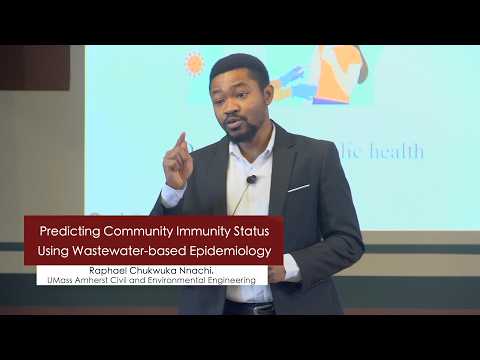
This research uses wastewater-based epidemiology to monitor antibodies excreted by communities, providing early insights into population vulnerability to infectious diseases. By analyzing antibody trends in wastewater over time, the work helps public health authorities identify at-risk communities, allocate resources more effectively, strengthen vaccination strategies, and improve outbreak preparedness.

2026
This research improves combination vaccines by addressing antigen competition using injectable hydrogels that slowly release antigens. This approach produces balanced immune responses to multiple diseases, unlike traditional vaccines. The innovation could reduce the number of shots required, improve global vaccine access, and ensure more effective immunization, particularly in underserved populations.

2026
This research shows that pulse oximeters are less accurate for darker skin tones due to biased design. By developing sensors that account for skin pigmentation, accuracy improves significantly across populations. The work highlights the need to embed equity into medical device design to ensure fair and reliable healthcare for all.
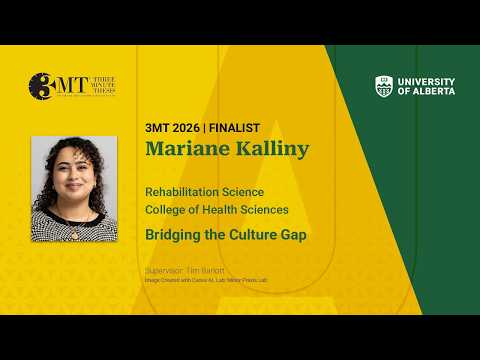
This research explores barriers immigrants face in accessing mental health care in Canada. It identifies cultural isolation and mismatched therapeutic approaches as key challenges. The study advocates for culturally competent care, shifting responsibility to providers through ongoing learning and adaptation, to improve accessibility, trust, and outcomes for immigrant communities.

This Master's study examines dietary changes among Hispanic breast cancer survivors, highlighting disparities in diet quality and survivorship outcomes. Surveying 411 women in Florida, researchers found many reported eating less—often due to treatment side effects—and only 60% met fruit and vegetable recommendations. Findings support integrating dietitians and nutrition education into oncology care.