This interdisciplinary art practice explores how video game aesthetics and online fan communities shape artistic identity and self-expression. Through collage, layered media, and game-inspired self-portraits, the artist processes personal medical history while advocating for greater recognition of digital and fan artists within institutional art spaces.
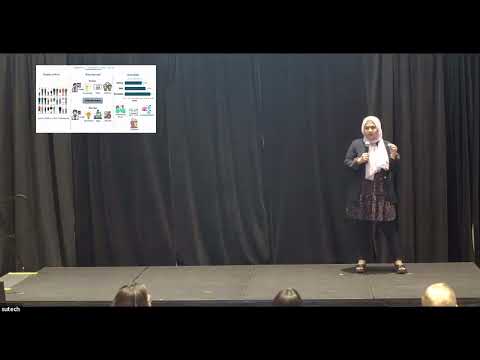
This study evaluated QPR (Question, Persuade, Refer) suicide prevention training among 2,000 professionals. Results showed significant improvements in knowledge, attitudes, and intervention skills, though effects varied by profession. Findings suggest QPR is effective but may require tailored approaches to maximize impact across different occupational groups.
This research shows that estrogen directly influences fat taste perception by acting on estrogen receptors within fat-responsive taste cells. Sex differences in fat preference persist even without gut–brain signaling, indicating hormonal regulation at the sensory level. These findings may inform obesity research and strategies to improve dietary behavior and health outcomes.
This project explores whether art can reduce stigma around mental health and neurodiversity. Through community-based exhibitions, participatory coloring events, and fundraising for autism support organizations, the artist reframes help-seeking as acceptable and shared. The work positions art as a tool for visibility, dialogue, and collective healing.
This research examines disrupted brain–muscle communication following ACL reconstruction. While surgery restores mechanical stability, sensory deficits remain, causing neuromuscular impairments. By studying real-time neural control during varying muscle contractions, balance, and dual-task conditions, the project aims to improve rehabilitation strategies and reduce reinjury risk through enhanced neuro-muscular coordination.
This research develops Smart Twin PM, a six-layer digital twin system for predictive maintenance in manufacturing. By combining real-time data analytics, physics-based validation, cybersecurity checks, and smart scheduling, it reduces unexpected failures by 15% and false alarms by 20%, enabling proactive, trustworthy, and efficient machine maintenance.
This study examines how restaurant entrepreneurs communicate innovation in crowdfunding campaigns. Using a five-dimensional framework and linguistic analysis of Kickstarter data, it finds that product/service and process innovation significantly predict funding success. Entrepreneurs succeed when they promise compelling customer experiences supported by reliable operational execution.
This research examines simultaneous and concurrent polysubstance use and the behavioral economic mechanisms underlying them. Using daily diary surveys and multi-level modeling, the study investigates alcohol demand and delay discounting as predictors of risky substance use patterns, aiming to inform interventions for individuals who use multiple substances.
This research develops the Remnant Emission Survey Tool (REST) to identify dormant comets—objects that resemble asteroids but may contain ancient solar system chemistry. By analyzing archived images of 3,800 asteroid candidates for faint gas emissions, REST aims to improve classification and deepen understanding of planetary formation and solar system history.
This Master's study examines dietary changes among Hispanic breast cancer survivors, highlighting disparities in diet quality and survivorship outcomes. Surveying 411 women in Florida, researchers found many reported eating less—often due to treatment side effects—and only 60% met fruit and vegetable recommendations. Findings support integrating dietitians and nutrition education into oncology care.
Pagination
- Page 1
- Next page