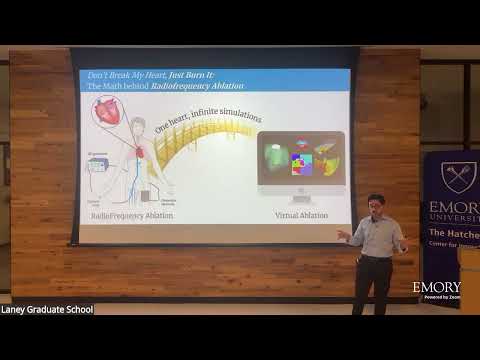
This research develops patient-specific digital twins of the heart to improve radiofrequency ablation for cardiac arrhythmias. By simulating heat transfer, tissue damage, and electrical activity, these computational models could improve treatment accuracy, reduce repeat procedures, accelerate medical device development, and advance the future of personalised cardiovascular medicine.
This research explores tidal energy as a reliable renewable source using digital twin technology. By simulating tidal farms in the Long Island Sound, it evaluates performance and environmental impacts before construction. The approach enables efficient, fish-friendly energy design, offering a scalable solution for sustainable ocean-based power generation worldwide.
This research develops Smart Twin PM, a six-layer digital twin system for predictive maintenance in manufacturing. By combining real-time data analytics, physics-based validation, cybersecurity checks, and smart scheduling, it reduces unexpected failures by 15% and false alarms by 20%, enabling proactive, trustworthy, and efficient machine maintenance.
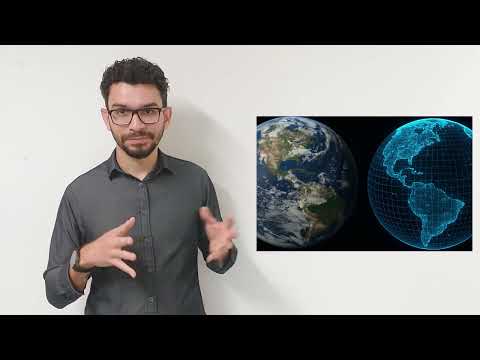
This research explores next-generation digital twins—virtual representations of real-world systems that support decision-making through simulation and AI. By combining decentralization, privacy-preserving architectures, explainable AI, and scenario analysis, the work aims to help individuals and organizations evaluate alternative futures, make informed decisions, and build more transparent intelligent systems.