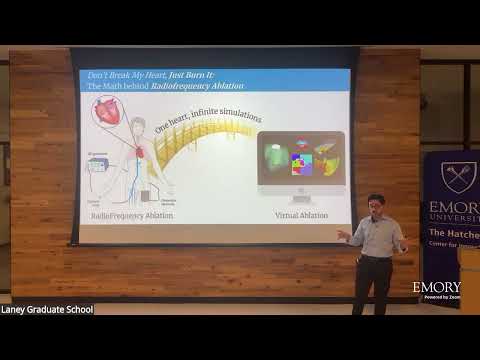
This research develops patient-specific digital twins of the heart to improve radiofrequency ablation for cardiac arrhythmias. By simulating heat transfer, tissue damage, and electrical activity, these computational models could improve treatment accuracy, reduce repeat procedures, accelerate medical device development, and advance the future of personalised cardiovascular medicine.

This research develops microscopic copper wire "bridges" that improve heat transfer between computer chips and cooling systems. By reducing chip temperatures by around 3°C, the technology can lower data centre cooling energy by approximately 10%, improving efficiency and supporting more sustainable AI infrastructure.
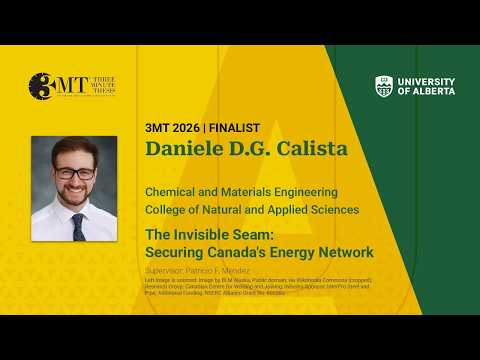
This research improves electric resistance welding by modelling heat transfer and weld formation physics. By identifying and controlling the weld point location, it replaces trial-and-error with predictive engineering rules. The work enables stronger, safer pipelines, supporting the adoption of advanced materials needed for reliable infrastructure in a clean energy future.
This research addresses overheating in 5G base stations, where vertically mounted electronics create dangerous hotspots. By using passive vapor chamber cooling, heat is efficiently redistributed without added energy use. Experimental and modeling work shows vapor chambers improve reliability and sustainability, supporting faster, more stable 5G and future network infrastructure.