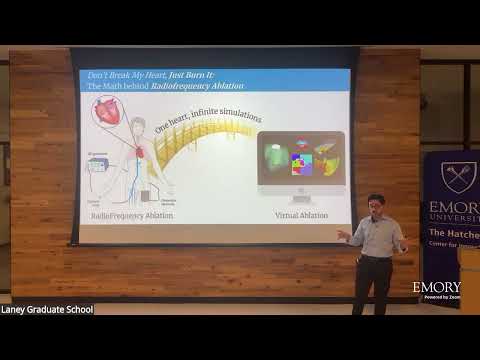
This research develops patient-specific digital twins of the heart to improve radiofrequency ablation for cardiac arrhythmias. By simulating heat transfer, tissue damage, and electrical activity, these computational models could improve treatment accuracy, reduce repeat procedures, accelerate medical device development, and advance the future of personalised cardiovascular medicine.

2026
This research investigates using light-sensitive proteins to control cardiac electrical activity and treat arrhythmias. By precisely guiding heart rhythms with light rather than drugs or shocks, the study identifies proteins capable of suppressing dangerous premature signals, offering a reversible, non-invasive alternative to current heart disease treatments.
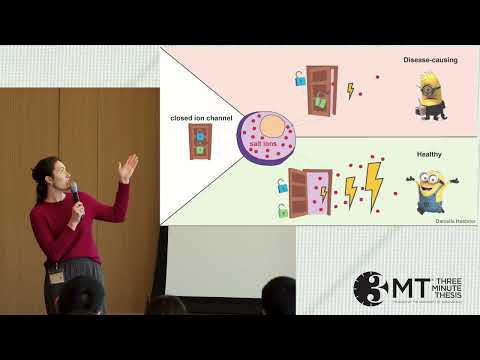
Electrical signals in the body depend on ion channels that regulate salt movement across cell membranes. When these channels malfunction, diseases like epilepsy and heart arrhythmias can occur. This research decodes how faulty ion channels work, revealing potassium-based mechanisms that could restore electrical signaling and guide new therapies.