
This research investigates whether Alexa can support speech practice for people with Parkinson’s disease. After eight weeks of home use, nine of ten participants developed stronger voices. Although not a replacement for professional speech therapy, voice assistants could provide accessible, everyday opportunities to practise louder, clearer speech outside clinical settings.

This research explores how autoimmune disease affects identity in young adults. Interviews with 25 New Zealanders revealed that diagnosis reshapes identity, relationships with the body, and perceptions of disability. The findings suggest that supporting identity—not just treating disease—could improve health behaviours, wellbeing, and long-term outcomes for people with autoimmune conditions.

2025
This research investigates taste alterations experienced by cancer patients during chemotherapy and radiotherapy. Using electrogustometry and flavour profile analysis, the study measures and categorizes changes in taste perception to guide the development of tailored food products that improve nutrition, comfort, and quality of life for people undergoing cancer treatment.

2026
Infertility affects one in six adults and carries profound emotional, psychological, and social burdens often overlooked in medical care. This research evaluates a four-week yoga intervention for individuals undergoing IVF, aiming to reduce anxiety and depression while improving quality of life, addressing the unmet psychosocial needs of those experiencing infertility.
This Master's study examines dietary changes among Hispanic breast cancer survivors, highlighting disparities in diet quality and survivorship outcomes. Surveying 411 women in Florida, researchers found many reported eating less—often due to treatment side effects—and only 60% met fruit and vegetable recommendations. Findings support integrating dietitians and nutrition education into oncology care.
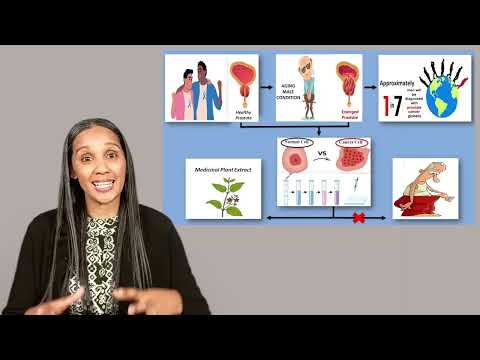
This research investigates a medicinal plant as a potential treatment for prostate cancer and benign prostatic hyperplasia. Findings show reduced PSA levels, hormone regulation, and selective killing of cancer cells while sparing healthy cells. The work suggests a promising, lower-side-effect alternative to conventional therapies, improving outcomes and quality of life.

Malnutrition is a major but often overlooked cause of mortality in cancer patients, driven by the side effects of aggressive treatments. This research focuses on personalized nutritional care, combining medical data with patient experiences to improve strength, quality of life, and treatment tolerance—because without nutrition, effective cancer therapy is impossible.

This research demonstrates that jaw surgery corrects functional impairments, not just appearance. Studying hundreds of patients shows that correcting jaw disproportions eliminates speech distortions, improves chewing and breathing, and enhances quality of life. The findings challenge the view of jaw surgery as cosmetic, reframing it as vital medical care.

This research examines how multiple sclerosis disrupts meaning and identity beyond physical symptoms. A nurse-led, group-based intervention helps people with MS rebuild purpose and quality of life. By targeting meaning alongside medical treatment, the project addresses the often-overlooked psychological impact of chronic illness and offers a scalable model for holistic care.

This research designs bespoke, lightweight 3D-printed breast prostheses for women after mastectomy. Using body scanning and personalised materials, the prostheses improve comfort, symmetry, and fit compared to standard silicone forms. The project aims to help women move from surviving breast cancer to thriving with confidence and comfort.