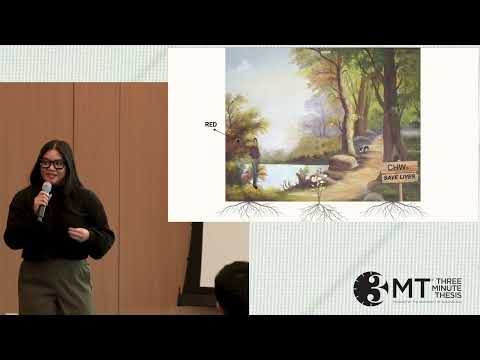
Community health workers help marginalized communities navigate complex health systems but face burnout, low pay, and limited recognition. Through interviews across Colorado, this research reveals how systemic inequities affect CHWs and offers worker-driven recommendations to strengthen programs, policies, and workforce sustainability.
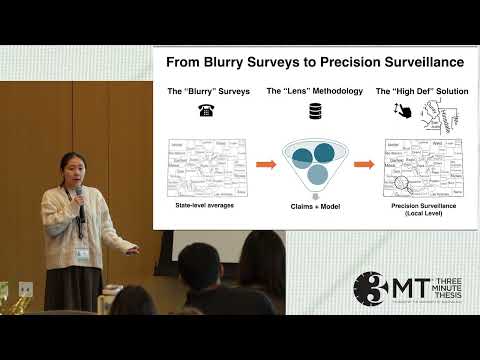
2025
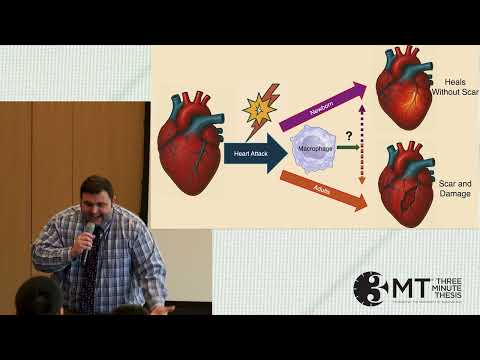
This research explores how tissue-resident macrophages guide immature heart muscle cells during early development. By identifying immune signals that enable scar-free heart regeneration in newborns, the work aims to uncover therapeutic pathways that could restore regenerative capacity and improve outcomes for patients with heart disease.
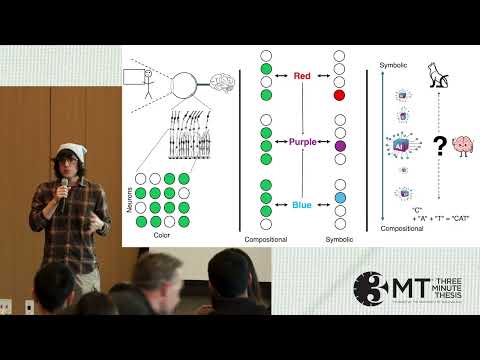
This research investigates the neural “language” of vision, asking whether the brain encodes images using compositional or symbolic patterns. Using machine learning and artificial neural networks, the work reveals evidence for a compositional visual code, informing the future design of advanced visual prosthetics.
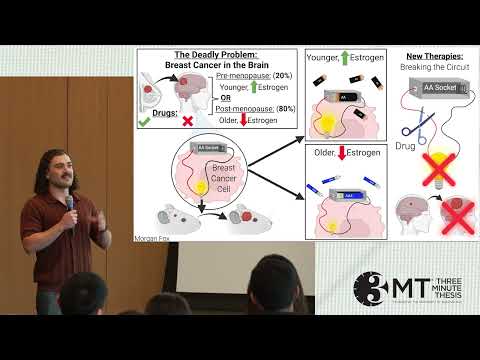
Breast cancer most often kills by spreading to the brain, where hormone therapies fail. This research reveals a signaling pathway that drives tumor growth in both pre- and postmenopausal settings. Identifying alternative activators of this pathway opens new therapeutic opportunities for deadly brain metastases.
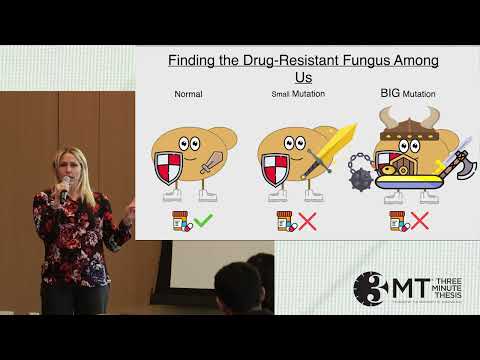
Fungal infections are becoming harder to treat as fungi rapidly evolve resistance to limited antifungal drugs. This research reveals that large, multi-gene mutations—once overlooked—are common in resistant fungi. Understanding these dramatic genetic changes is critical for developing more effective antifungal therapies.
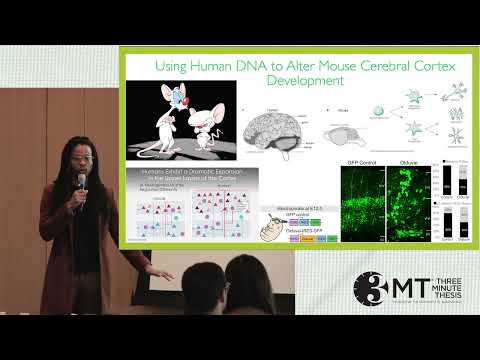
This research inserts a human-specific DNA sequence into mice to study cerebral cortex development. The modified mice show increased upper-layer neurons and glial cells, revealing how human brain evolution supports higher cognition. These findings improve understanding of human brain specialization and the origins of neurological disorders.