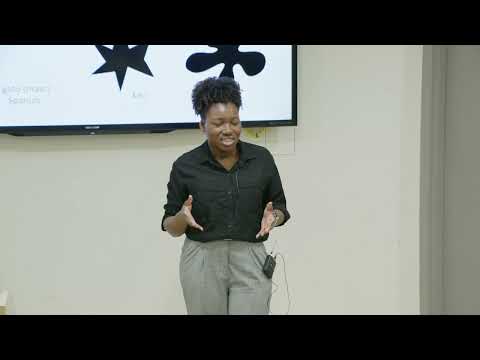
This research investigates sound symbolism: the relationship between particular speech sounds and perceived meanings. By analysing animal names in English, French, and Spanish, it examines whether consonants, vowels, and syllable stress correspond with characteristics such as size and danger, helping explain language evolution and potentially informing language learning and word creation.
2026
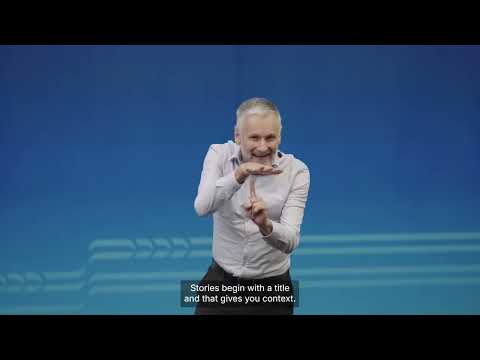
This research aims to improve literacy for deaf people by developing a practical writing system for sign languages. Because most sign languages lack a standard written form, deaf learners often struggle with written English. The project creates readable sign-language texts and tests whether they can support literacy in deaf communities worldwide.
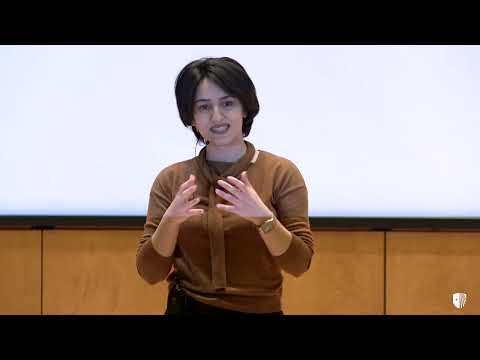
This research investigates sound length in speech, comparing its physical and mental representation across languages. While English treats length as phonetic variation, languages like Japanese use it meaningfully. The study focuses on Persian to improve speech recognition and therapy, helping determine how sound duration is perceived, produced, and processed cognitively.
2026
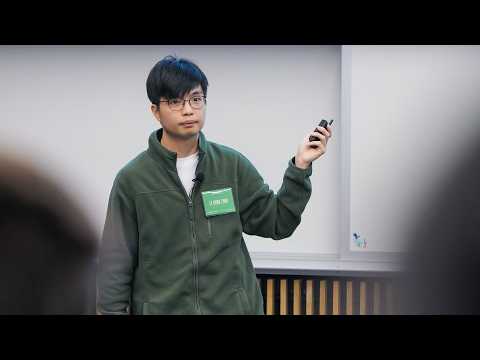
This research explores how accents form in multilingual Malaysia, showing that subtle combinations of consonant and vowel features distinguish speakers. Even a single word carries identifiable acoustic cues. The findings highlight how listeners rapidly perceive identity through speech and emphasize the human complexity underlying language in an era of speech technology.

2024
This research compares English and German preposition use, focusing on when prepositions can be dropped in short answers. Through speaker judgments of dialogue naturalness, it shows that flexibility is context-dependent rather than a simple English–German contrast, revealing subtle grammatical and structural influences.

2025
This research investigates why children struggle to learn pronouns and why these difficulties vary across languages. Through cross-linguistic experiments and eye-tracking, it shows that pronouns pose an intrinsic processing challenge. Some languages compensate for this difficulty, offering new insights into language development and human learning.