This research aims to improve literacy for deaf people by developing a practical writing system for sign languages. Because most sign languages lack a standard written form, deaf learners often struggle with written English. The project creates readable sign-language texts and tests whether they can support literacy in deaf communities worldwide.
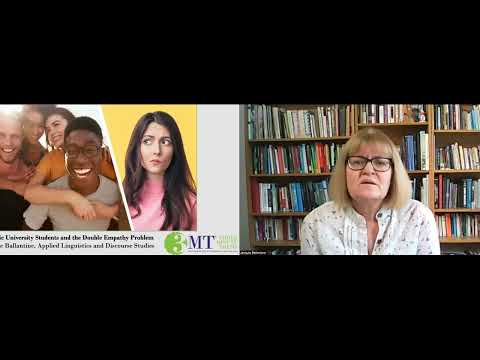
This research explores autistic university students’ experiences navigating sensory challenges and communication differences on campus. It highlights the “double empathy problem,” where misunderstandings occur between autistic and non-autistic individuals. Using applied linguistics, the study argues that mutual understanding is essential to ensure equitable access to education and improve student well-being and inclusion.
This research examines the ethical stakes of translation, using the Hiroshima "mokusatsu" case to illustrate how linguistic ambiguity can have far-reaching consequences, while also opening a broader reflection on the social responsibility of translators. It proposes service learning as a pedagogical model, integrating real-world translation tasks with ethical reflection. This approach enhances student responsibility, critical thinking, and civic engagement in professional translation practice.