
This research explores how virtual reality can develop intercultural competence in young English learners. Through an immersive VR game comparing Chinese and New Zealand cultures, children build cultural understanding, openness, and critical awareness. The project also establishes design principles to help educators create accessible intercultural learning experiences through VR.
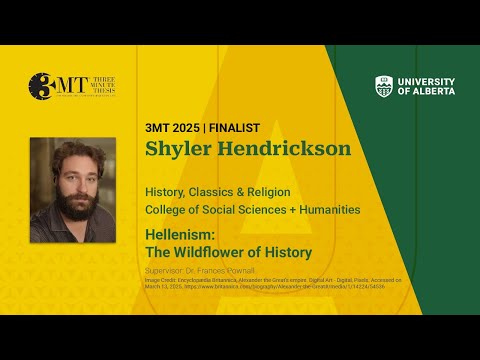
This research challenges traditional views of Hellenism as a one-way imposition of Greek culture after Alexander’s conquests. Using ancient sources, it shows that indigenous populations actively selected, adapted, and blended Greek ideas with their own traditions, maintaining significant autonomy and shaping hybrid political and cultural systems that developed long after Alexander’s death.