
This research explores how virtual reality can develop intercultural competence in young English learners. Through an immersive VR game comparing Chinese and New Zealand cultures, children build cultural understanding, openness, and critical awareness. The project also establishes design principles to help educators create accessible intercultural learning experiences through VR.
2026
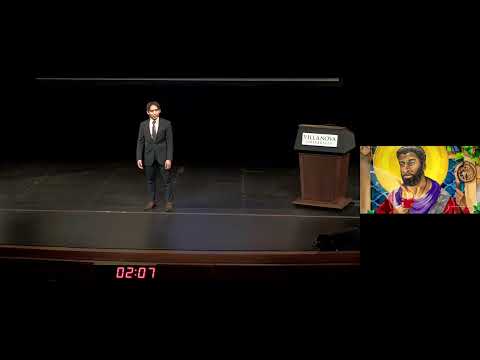
This research critiques AI-based classroom monitoring, arguing that while algorithms can measure behavior, they cannot interpret meaning. It proposes the “Augustinian limit,” where AI supports logistics but human judgment guides interpretation. The framework protects authentic learning moments, emphasizing that true education relies on human insight, not just data-driven evaluation.