This research investigates how cicadas generate extraordinary suction to feed on water inside plant xylem under extreme negative pressure. Using fluid measurements and micro-CT imaging, it uncovers the insect's unique pumping mechanism, offering insights into plant hydraulics while inspiring new designs for miniature medical pumps and microfluidic technologies.

This research investigates how the olfactory system of the Spanish ribbed newt adapts between aquatic and terrestrial environments. By analyzing cellular and genetic changes in the nose, the study reveals remarkable sensory plasticity, offering broader insights into nervous system flexibility and potential implications for understanding neurodegenerative diseases such as dementia.
2025
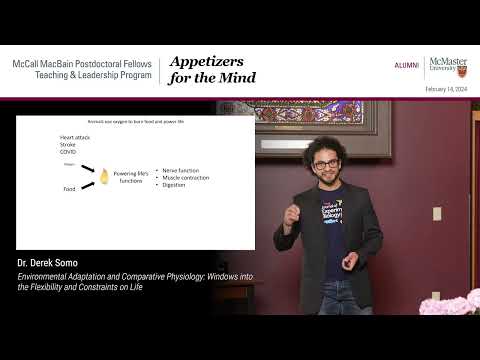
This talk introduces comparative physiology, highlighting how diverse species adapt to low-oxygen environments. Studying seals, fish, and high-altitude mice reveals shared cellular mechanisms across life. These insights inform human health, particularly conditions involving oxygen deprivation and metabolism, demonstrating the value of fundamental research in understanding and solving biological challenges.