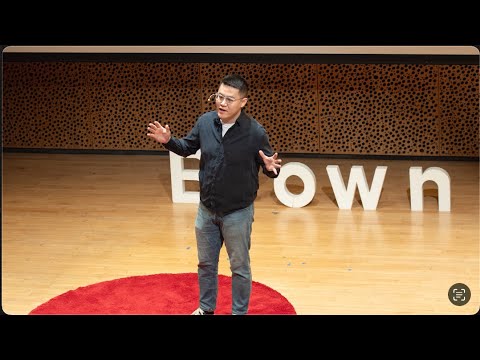
This research develops a brain-inspired optical imaging system that mimics human vision to reconstruct objects hidden by fog, smoke, and biological tissue. Combining event-based cameras, spiking neural networks, and neuromorphic processors, it enables fast, energy-efficient imaging with applications in autonomous vehicles, emergency response, and non-invasive medical diagnostics.
This research develops scalable motion-planning algorithms that enable large teams of robots to work together safely and efficiently. By combining machine learning with search algorithms, the work delivers both speed and reliability, supporting applications from automated warehouses to disaster response, infrastructure repair, and future space exploration.
2025
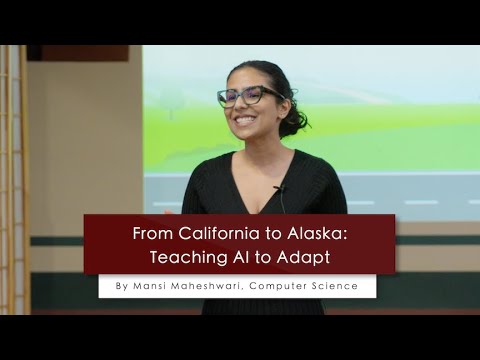
This research explores how artificial intelligence systems can continue learning without forgetting previously acquired knowledge. Instead of erasing old information, the proposed method compresses knowledge into more efficient representations, allowing AI systems such as self-driving cars to adapt safely to new environments while avoiding dangerous performance failures during learning.