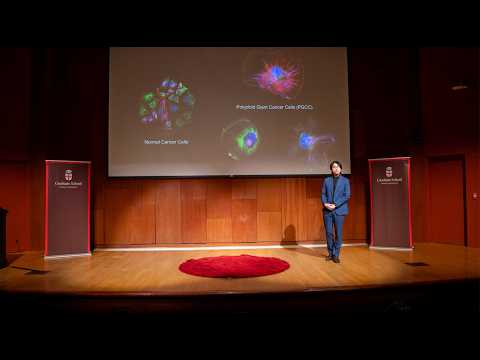
This research investigates how melanoma switches between two gene states—one fast-growing and treatable, the other slow but highly invasive and responsible for brain metastases. By identifying genes that control this transition, the study aims to force melanoma into a more treatable form, improving therapeutic options and patient outcomes.
This research engineers immune T cells to better fight ovarian cancer. By modifying them to recognize tumor-specific proteins and resist cancer’s suppressive signals, the project strengthens the body’s natural defenses. The goal is to improve immunotherapy effectiveness, overcome tumor resistance, and increase survival rates for women facing this deadly disease.
This research investigates Large Granular Lymphocyte Leukemia, where protective T cells become cancerous. The project explores how DNA methylation silences normal T-cell function and tests drugs that reverse this process. By removing harmful chemical modifications, the goal is to restore immune cells to their healthy, protective “superhero” role.
Cancer often becomes resistant to treatment due to the protein CDK8, which helps reprogram cancer cells. Traditional inhibitors fail because CDK8 still acts as a structural scaffold. This research develops targeted degraders that use the cell’s recycling system to eliminate CDK8 entirely, preventing resistance and improving future cancer therapies.
This research targets cancer more precisely by focusing on a unique region of the PLK1 protein that drives tumor growth. By designing drugs that bind specifically to this domain using AI and laboratory testing, the approach aims to kill cancer cells while sparing healthy tissue.
This research investigates HMGN proteins, which organize the genome and help cells access the correct genes. By mapping their activity and removing them with CRISPR, the study shows that HMGNs act as DNA “librarians.” Their dysfunction leads to gene misregulation linked to many diseases.
Pediatric brain tumors are the leading cause of cancer-related death in children, and current treatments are often insufficient. This research explores harnessing the immune system, particularly macrophages, to fight these tumors. Using advanced imaging and engineered immune cells, the work aims to improve tumor clearance and develop new therapeutic strategies.
This research isolates and characterizes new flavonoids from Colona leonei with promising anti-cancer properties. These compounds selectively target cancer cells while sparing healthy ones. Upcoming tests will assess their effectiveness on cancer cell lines. The work also highlights preventive benefits of flavonoid-rich foods and frames cancer as a global, personal, and societal challenge.