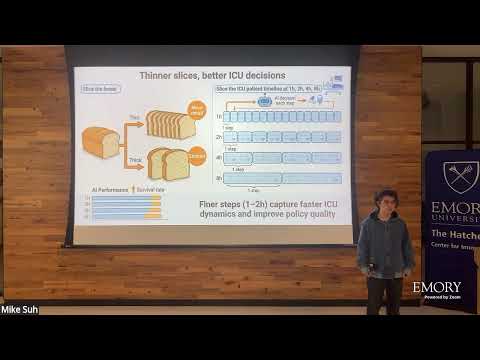
This research investigates how the choice of time interval affects reinforcement learning models for sepsis treatment in intensive care. By comparing one-, two-, four-, and eight-hour patient timelines, it demonstrates that shorter intervals better capture patient dynamics, improve estimated survival outcomes, and may enable more effective AI-assisted clinical decision-making.

This research develops an AI model that combines thyroid ultrasound imaging with genetic testing to improve diagnosis of indeterminate thyroid nodules. By integrating molecular and imaging data, the model helps distinguish benign from cancerous nodules more accurately, reducing unnecessary surgeries and improving clinical decision-making for thyroid cancer patients.
2026
This 3MT® presentation describes how artificial intelligence can help non-specialist clinicians diagnose deep vein thrombosis using AI-guided handheld ultrasound devices. By enabling faster point-of-care diagnosis in GP surgeries, the project aims to reduce hospital referrals, improve accessibility for vulnerable patients, and help healthcare systems manage increasing clinical demand more efficiently.
2025
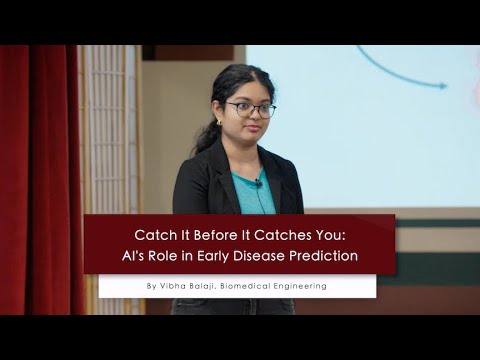
This research uses artificial intelligence to predict the progression of Alzheimer’s disease and cancer using medical imaging data. By analyzing brain scans, tumor scans, and treatment responses, AI models can forecast disease development and treatment outcomes, enabling earlier intervention, more personalized care, and improved quality of life for aging populations.
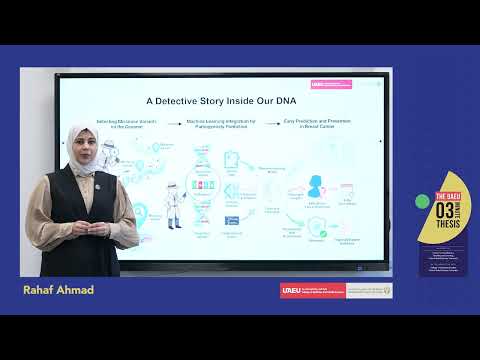
This research applies machine learning to genetic data to distinguish harmless DNA variations from cancer-causing mutations. By treating DNA like a crime scene, the model learns to identify which genetic changes truly drive breast cancer risk, supporting more accurate diagnosis and informed clinical decision-making.
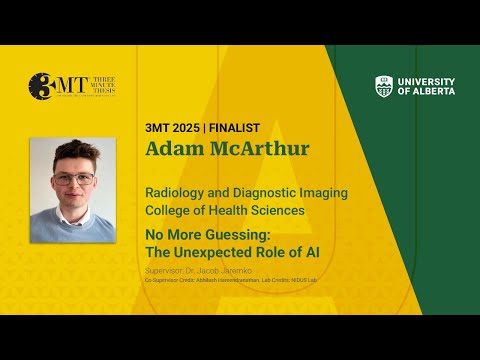
Hip dysplasia is often diagnosed too late or too inconsistently, leading to lifelong pain. The speaker’s research builds the first open-access AI tool for detecting and studying the condition, enabling portable automated diagnosis and global collaboration. By sharing tools instead of guessing, researchers can reduce unnecessary surgeries and improve outcomes worldwide.