This research improves the safety of stem cell–derived heart cell therapy for heart failure by engineering a drug-controlled genetic safety switch. The approach prevents dangerous post-transplant arrhythmias while allowing transplanted cells to mature and synchronize with the heart, advancing regenerative alternatives to full heart transplantation.

Myelin enables efficient communication between nerve cells and is essential for cognition, movement, and sensation. In neurodegenerative diseases, myelin is lost, impairing daily life. This research uses stem cells, gene profiling, and gene editing to uncover why myelin fails—and how regenerating it could transform treatment.

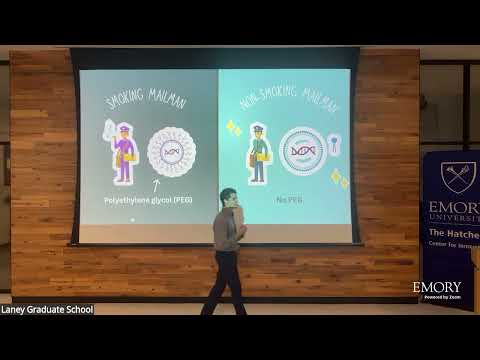
A hidden evolutionary arms race unfolds between bacteria and the viruses that attack them. By understanding how bacteria cut and rearrange DNA through recombination, researchers can harness these mechanisms for precise gene editing. This work could enable powerful new treatments for genetic diseases, helping patients like the first personalised-therapy recipient, KJ.