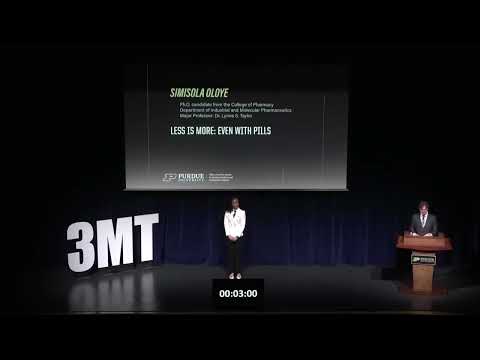
This research improves drug formulations by developing predictive tools for amorphous solid dispersions that increase drug solubility while allowing higher drug loading in a single tablet. The work aims to reduce pill burden, improve medication adherence, lower pharmaceutical development costs, and make treatments more effective for patients with chronic illnesses.
2025
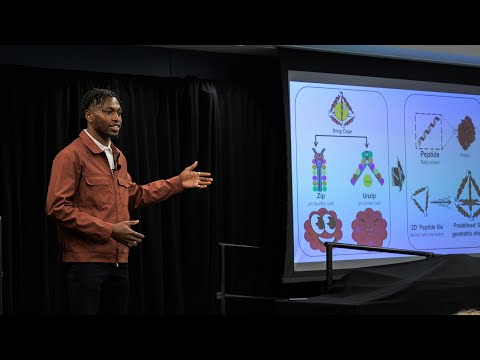
This research engineers peptide-based "drug cages" that assemble like molecular zippers to deliver medicines only at their intended target. Inspired by natural protein structures, these programmable nanostructures could dramatically reduce chemotherapy side effects by releasing drugs precisely where needed, improving treatment effectiveness while protecting healthy tissues.

This research develops orally administered nanoparticles that target the lymphatic system to treat lupus and osteoporosis simultaneously. By delivering drugs directly to affected tissues while avoiding the bloodstream, the approach reduces toxicity, suppresses inflammatory and bone-damaging genes, and offers a more effective strategy for treating these complex chronic diseases.

This research develops orally administered nanoparticle therapies for metronomic chemotherapy in ovarian cancer. By delivering smaller drug doses directly to tumours over extended periods, it aims to reduce side effects, overcome drug resistance, improve patient quality of life, and make long-term cancer treatment easier and more effective.
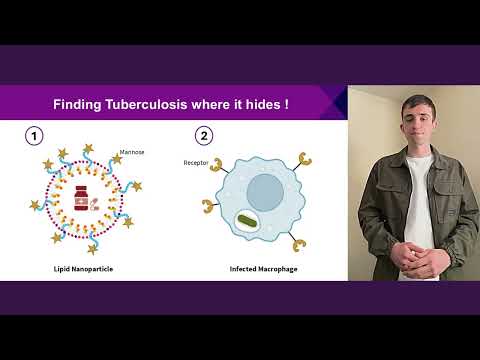
This research develops targeted lipid nanoparticle delivery systems to improve tuberculosis treatment and vaccination. By replacing PEG coatings and using mannose to target infected macrophages, it aims to deliver drugs more effectively, reduce treatment duration, improve vaccine performance, and contribute to the global elimination of tuberculosis.
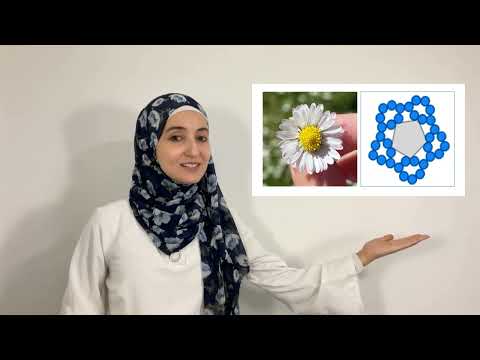
This research develops innovative three-dimensional "daisy" particle structures to improve inhaled medicines. Using Isothermal Dry Particle Coating, it prevents fine drug particles from clumping, ensuring they reach the lungs effectively. The work aims to improve inhaler performance and treatment for the 300 million people worldwide living with respiratory diseases.

2026
This research develops nanoscale “smart package” delivery systems for PROTAC cancer drugs. Antibody nanogel conjugates selectively target cancer cells, enter them, and release therapeutic molecules while minimizing exposure to healthy tissue. The approach improves delivery efficiency and aims to reduce the severe side effects that often limit cancer treatment.
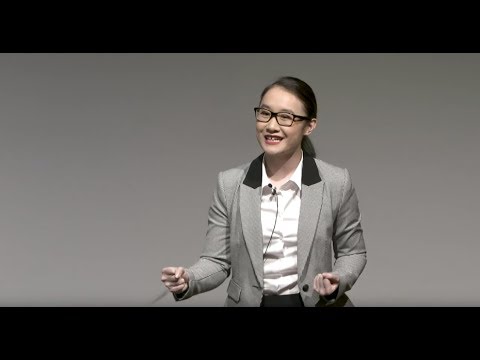
The talk explains how drug discovery struggles with the enormous size of chemical space, where only a few molecules become effective medicines. Using miniaturized chemical libraries and off-rate screening, the researcher accelerates structure–activity relationships (SAR) mapping without purification. This approach has already produced promising breast-cancer drug candidates and could dramatically reduce drug-development costs.

This research searches for new antibiotics in deep-sea sponge bacteria that have evolved for 580 million years to defend their hosts. By growing these never-before-seen microbes and testing them against superbugs like MRSA, the project aims to discover urgently needed antibiotics to combat rising antimicrobial resistance.