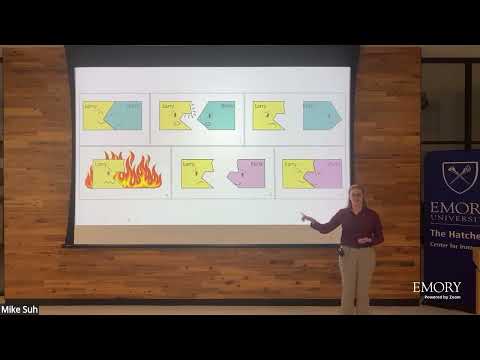
This research investigates how antiviral drug resistance develops by examining structural changes in viral proteins. Using protein crystallography, it identified why SARS-CoV-2 mutations prevent Paxlovid binding and discovered two compounds capable of inhibiting resistant viruses. The findings could guide development of more effective antivirals against future drug-resistant viral infections.
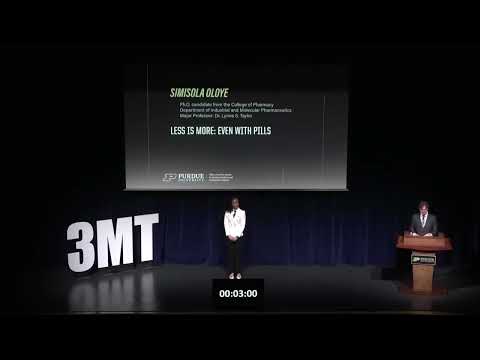
This research improves drug formulations by developing predictive tools for amorphous solid dispersions that increase drug solubility while allowing higher drug loading in a single tablet. The work aims to reduce pill burden, improve medication adherence, lower pharmaceutical development costs, and make treatments more effective for patients with chronic illnesses.
2026
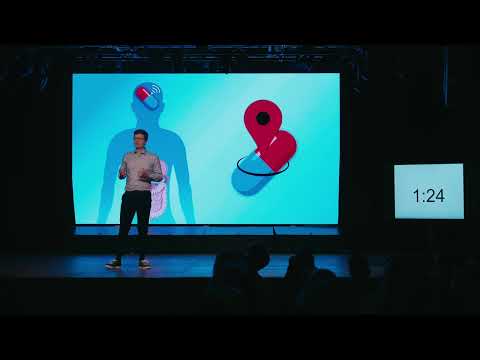
This research develops methods to insert radioactive carbon isotopes into drug molecules, allowing scientists to track how medicines move, transform, and are eliminated in the body. By using catalysts to precisely label drugs, researchers can better understand drug behaviour and accelerate the development of safer, more effective medicines.