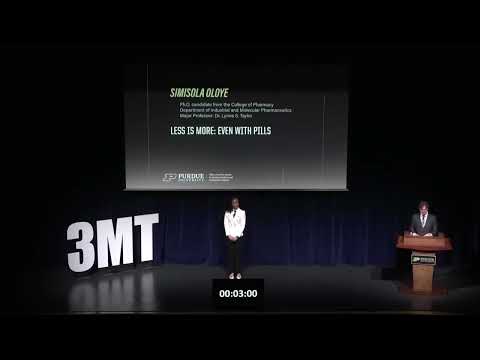
This research improves drug formulations by developing predictive tools for amorphous solid dispersions that increase drug solubility while allowing higher drug loading in a single tablet. The work aims to reduce pill burden, improve medication adherence, lower pharmaceutical development costs, and make treatments more effective for patients with chronic illnesses.

This research develops hybrid lipo-polymeric nanoparticles that overcome major limitations of current mRNA vaccine technology. The particles can be freeze-dried, rapidly loaded with mRNA, and simultaneously deliver therapeutic drugs. Their flexibility improves vaccine storage and distribution while enabling powerful combination therapies, including enhanced cancer treatments with improved survival in preclinical models.
2025
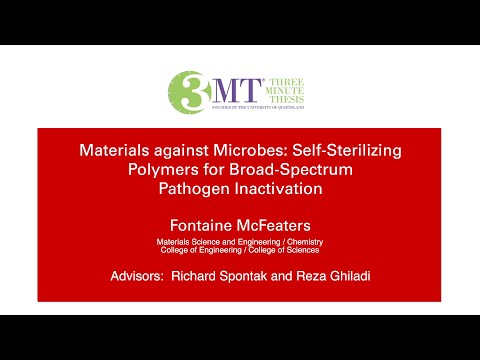
This research develops self-sterilising polymer coatings that become highly acidic when exposed to moisture, rapidly destroying harmful bacteria such as MRSA and E. coli. Designed for hospitals, classrooms, and other high-contact surfaces, these materials could reduce infections without harsh chemicals, helping prevent the spread of antibiotic-resistant bacteria.