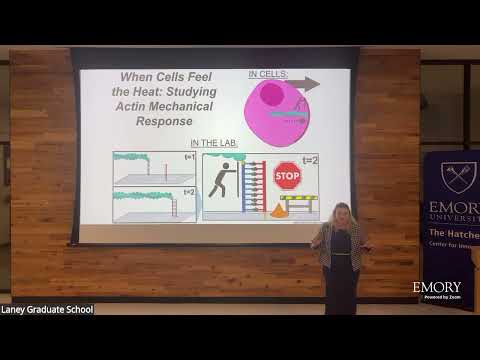
This research investigates how mechanical forces regulate cell movement using a novel DNA-based force probe. By measuring the force required to halt actin growth, it provides new insights into the mechanics of cell migration. The findings could ultimately help develop strategies to prevent cancer metastasis by controlling tumour cell movement.
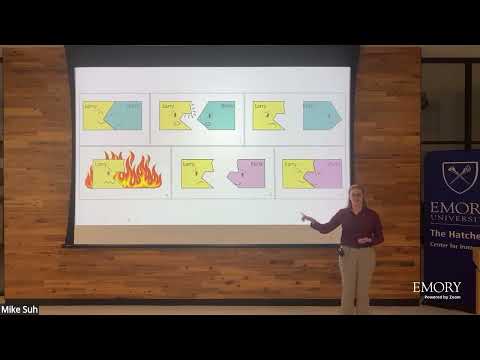
This research investigates how antiviral drug resistance develops by examining structural changes in viral proteins. Using protein crystallography, it identified why SARS-CoV-2 mutations prevent Paxlovid binding and discovered two compounds capable of inhibiting resistant viruses. The findings could guide development of more effective antivirals against future drug-resistant viral infections.
This research investigates whether ordinary matter can generate enough negative energy to keep a wormhole open. Combining theoretical calculations with computer simulations, it finds that nature tightly limits negative energy, making traversable wormholes unlikely. The work highlights how science tests imaginative ideas through rigorous mathematics and physical laws.
This talk highlights the importance of science communication. Despite the fear of public speaking, sharing research can directly impact lives. A three-minute research presentation led to a pediatric cancer patient receiving treatment, demonstrating how communicating science beyond the lab can translate into real-world benefits.
Adele Pentland, a pterosaur palaeontologist, has named Australia’s two most complete pterosaur species and described the country’s oldest specimens. Her work supports regional palaeotourism and has reached hundreds of thousands through museums, media, and outreach. She aims to inspire future scientists, especially young girls from diverse backgrounds.
This research examines how public engagement in science is shaped not just by researchers and audiences, but by institutions, environments, and material objects. By following PhD researchers across Europe, it investigates how engagement practices emerge, why they often remain exclusionary, and how understanding these “actors” can make science communication more inclusive.