This talk highlights the importance of science communication. Despite the fear of public speaking, sharing research can directly impact lives. A three-minute research presentation led to a pediatric cancer patient receiving treatment, demonstrating how communicating science beyond the lab can translate into real-world benefits.

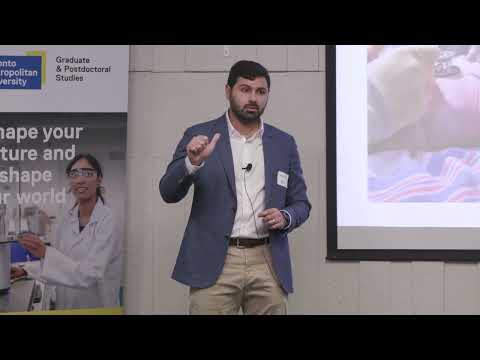
A biomedical engineering team developed a handheld device that measures newborn heart rate in under 10 seconds—far faster than current tools. Using a novel sensor and real-time algorithms, it improves clinicians’ ability to intervene within the critical first minute after birth. Clinical trials are complete, the device is patented, and commercialization is underway.

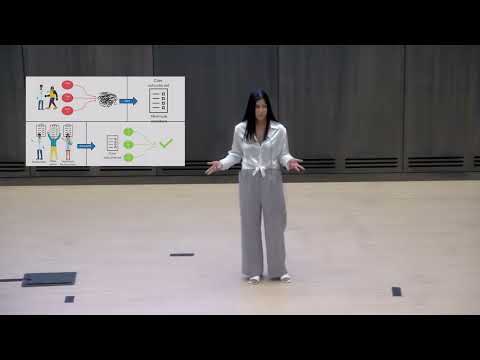
This research creates a core outcome set for clinical trials of physical activity in older adults. Because trials currently measure inconsistent outcomes, evidence cannot be easily combined. Using a multi-round expert and stakeholder survey, the project will establish essential outcomes to reduce research waste, improve knowledge synthesis, and strengthen healthcare decisions.

This research focuses on developing reliable blood-based biomarkers to evaluate new treatments for hereditary frontotemporal dementia. By identifying an imbalance between two key molecules, progranulin and prosaposin, the work aims to provide accurate measures of treatment effectiveness and bring hope to families carrying this devastating genetic condition

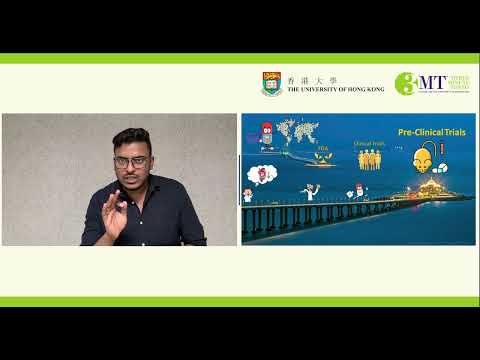
This research tests the safety of a new hypertension drug designed for patients who don’t respond to current medications. Through four phases of pre-clinical toxicology studies in cells and mice, the drug showed no major toxicity and effectively lowered blood pressure, supporting its progression toward future human clinical trials.