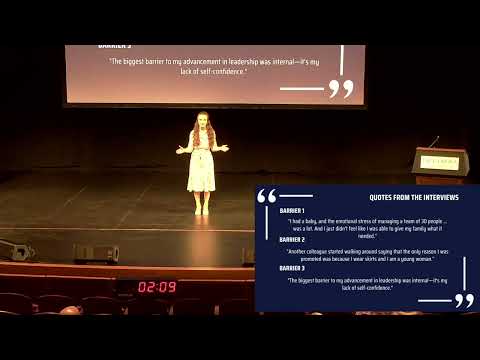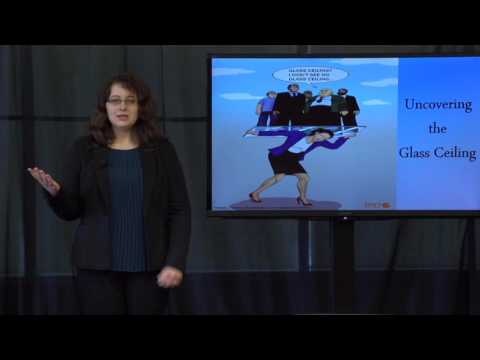
This research examines gender bias in leadership recognition. Despite evidence that women exhibit effective transformational leadership, male employees often undervalue female leaders. This bias affects promotion decisions, reinforcing the glass ceiling. The study highlights the need to address perception gaps to achieve genuine gender equality in senior leadership roles.

This research examines how CEO personality influences environmental decoupling, where companies misalign environmental claims and actions. Using the Big Five framework and machine learning on CEO communications, it identifies traits linked to such behavior. Findings aim to improve corporate governance by helping stakeholders select leaders committed to genuine sustainability.

This research examines how leader and follower gratitude expressions affect first-level supervisors. Drawing on emotion-as-social-information theory, a three-wave study shows gratitude enhances helping behavior, commitment, and performance. Leader gratitude boosts organization-based self-esteem, while follower gratitude strengthens leadership self-efficacy. Intentional gratitude practices can foster more thriving workplace environments.

This research shows that political polarization in the workplace reduces employee voice. Workers who feel politically misaligned—or mistreated due to their views—are more likely to stay silent, harming innovation and performance. Even small pockets of political fit can encourage speaking up and improve workplace outcomes.