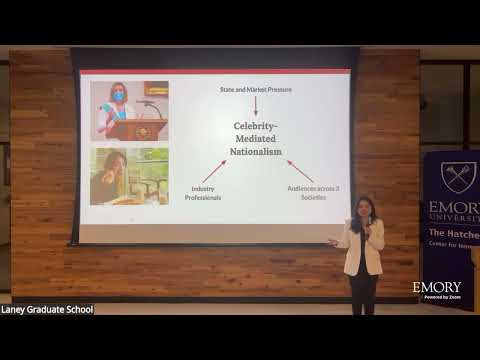
This research examines how nationalism is embedded in China's entertainment industry, where celebrities become vehicles for political messaging. Through archival research, industry interviews, and audience surveys, it shows that nationalism persists through everyday normalisation rather than belief, offering broader insights into the growing intersection of politics, popular culture, and identity.
Political polarization increases identity threat during social interactions. This study examines how liberals and conservatives respond to politically and apolitically negative comments. Results show different types of identity threat emerge depending on context, with both groups experiencing similar levels overall. Findings highlight the complexity and nuance of identity threat in political engagement.
This research investigates how propaganda transforms beliefs, turning neighbors into perceived enemies. By analyzing decades of media data from democratically declining societies and testing persuasive mechanisms experimentally, the project identifies which narratives most effectively fuel polarization, ethnic hatred, and democratic erosion—knowledge essential for resisting modern propaganda.
This research shows that political polarization in the workplace reduces employee voice. Workers who feel politically misaligned—or mistreated due to their views—are more likely to stay silent, harming innovation and performance. Even small pockets of political fit can encourage speaking up and improve workplace outcomes.