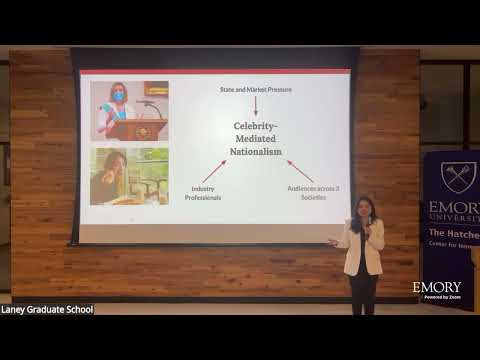
This research examines how nationalism is embedded in China's entertainment industry, where celebrities become vehicles for political messaging. Through archival research, industry interviews, and audience surveys, it shows that nationalism persists through everyday normalisation rather than belief, offering broader insights into the growing intersection of politics, popular culture, and identity.
This oral history project explores how Nigerian secondary schools shape political identity, civic engagement, and national belonging across generations. Through interviews and documentary storytelling, the research reveals that schools function as microcosms of the nation, forming students’ relationships to society, politics, and migration in ways that continue long after graduation.
This research examines the gap between Kazakhstan’s language policy and practice. Despite efforts to promote Kazakh, Russian dominates key sectors, creating inequalities for Kazakh speakers. By analysing structural and historical factors, the work aims to inform more effective policies that balance national identity, linguistic inclusion, and equitable access to education and opportunity.