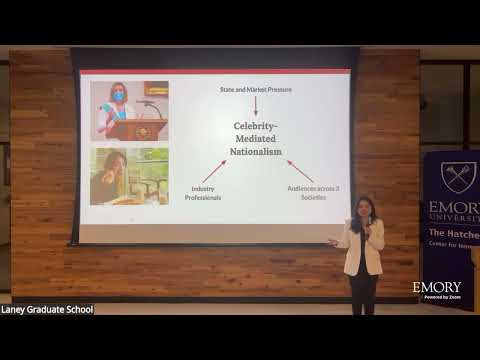
This research examines how nationalism is embedded in China's entertainment industry, where celebrities become vehicles for political messaging. Through archival research, industry interviews, and audience surveys, it shows that nationalism persists through everyday normalisation rather than belief, offering broader insights into the growing intersection of politics, popular culture, and identity.
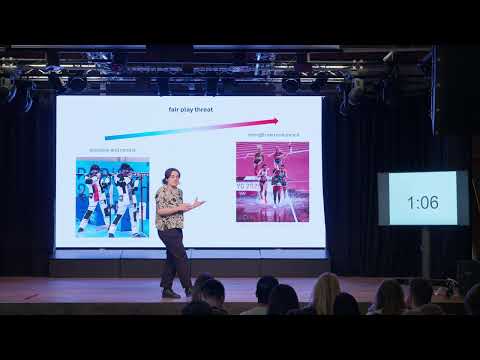
This research examines resistance to trans inclusion in sports by testing assumptions about fairness. A survey experiment shows that people with negative attitudes become more supportive when fairness concerns are explicitly addressed in low-threat sports. The findings suggest opposition is not uniform and that challenging underlying assumptions can meaningfully increase support for inclusion.
This thesis uses randomized polling to show that Iranians’ trust in government is driven primarily by practical benefits—healthcare, economic stability, and safety—not ideology. Human rights concerns and identity factors predict little. The findings reveal a global shift toward transactional trust, posing challenges for defending democratic values and civic institutions.