
This research explores how conversational journalism could counter news avoidance, misinformation and social polarisation. Interviews with 23 podcasters informed a Conversational Approach emphasising listening, storytelling, curiosity, mutual respect and connection. The framework suggests news podcasts can encourage guests to open up and help audiences feel more connected to journalists and communities.
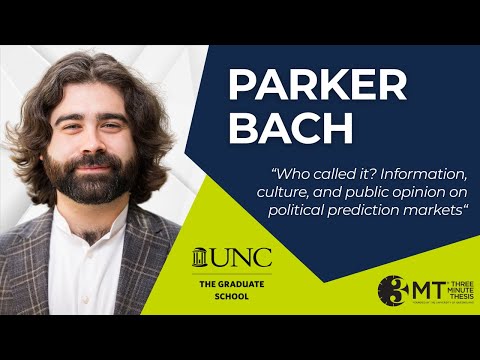
This research investigates political prediction markets, where people trade on future events like elections. By studying traders, journalists, and political staffers, it examines who drives these markets, how information is used, and whether their forecasts deserve public trust as indicators of democratic outcomes.
This thesis uses randomized polling to show that Iranians’ trust in government is driven primarily by practical benefits—healthcare, economic stability, and safety—not ideology. Human rights concerns and identity factors predict little. The findings reveal a global shift toward transactional trust, posing challenges for defending democratic values and civic institutions.
The speaker revisits the 1912 Marconi insider-trading scandal, showing how unfounded allegations spread through fringe media triggered national uproar and revealed elite anxieties about power, technology, and public discourse. Their archival research argues that the real scandal was elites losing control of information—an issue echoed today in social media, misinformation, and democratic instability.