
This research investigates the diversity and behaviour of zooplankton around Rangitāhua, Aotearoa New Zealand. By combining microscopy and underwater acoustics, it identifies species and tracks their daily vertical migrations. The findings will improve understanding of marine ecosystems, climate change impacts, and support Ngāti Kuri's stewardship of this culturally significant region.
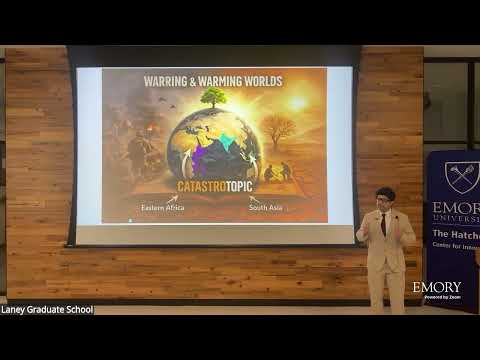
This dissertation examines contemporary literature from South Asia and Eastern Africa to explore how narratives of war and climate crisis reshape our understanding of survival, care, and belonging. Introducing the concept of the catastrophopic, it argues that Global South literature offers powerful frameworks for ecological responsibility and collective world-making.
2026
This research uses AI-powered markerless motion capture to preserve Indigenous cultural dances as digital archives. By recording thousands of movement data points, it safeguards intangible cultural heritage for future generations. The work aims to extend this technology globally, ensuring every culture has the tools to preserve its unique traditions.
This anthropological research investigates traditional medicinal uses of psilocybin mushrooms in Lesotho. Interviews with local healers revealed treatment practices that differ substantially from Western clinical models, including low-dose administration over extended periods and applications for epilepsy and psychosis. The findings may broaden future directions for psychedelic medicine research.
This research develops an Indigenous-informed video game that teaches environmental stewardship through reciprocal relationships with the land. Drawing on community knowledge and storytelling, the game challenges extractive, colonial approaches common in popular games by making ecological balance, listening, and responsibility essential for survival and success.
This study documented wild edible plant diversity and traditional knowledge in northern Ethiopia. Forty species were identified, mainly trees and shrubs. Knowledge varied by gender, age, and occupation, with key informants showing greater expertise. Wild plants provide critical seasonal food security but face threats from deforestation, agriculture, and overgrazing.

This research examines how traditional and local knowledge (TLK) can be meaningfully integrated into disaster risk reduction laws in Fiji and Vanuatu. Through legal analysis, case studies, and community interviews, it shows that TLK is not just cultural heritage, but a vital, science-based strategy for disaster resilience and survival.
This research examines how land is valued beyond economics, drawing on Irish culture, Indigenous knowledge, and Brehon law. Through interviews across sectors, it shows how accounting choices shape human–nature relationships and argues that restoring communal, sacred views of land may be essential for environmental sustainability.
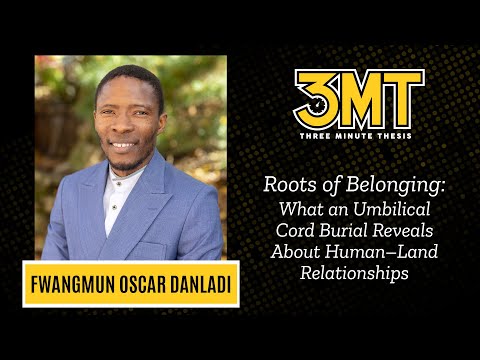
This research examines the cultural practice of burying umbilical cords in Nigeria’s Middle Belt, a region shaped by conflict and ecological crisis. Unlike Western views that treat the cord as waste, local traditions see land as a living repository of memory and identity, reframing human–land relationships as reciprocal and deeply interconnected.
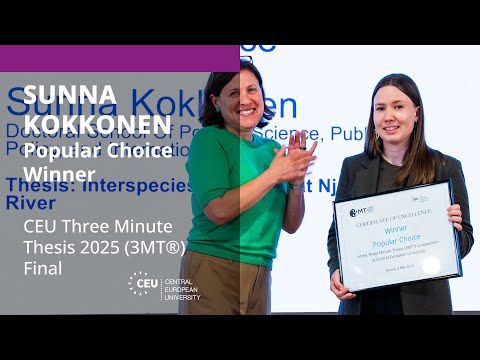
My research argues that fish possess political agency and examines how ecological changes on the Arctic Njauddâm River shape human decision-making. By observing invasive pink salmon, collapsing Atlantic salmon populations, and cross-border tensions, the study challenges traditional views of politics and highlights how nonhumans actively shape political processes.