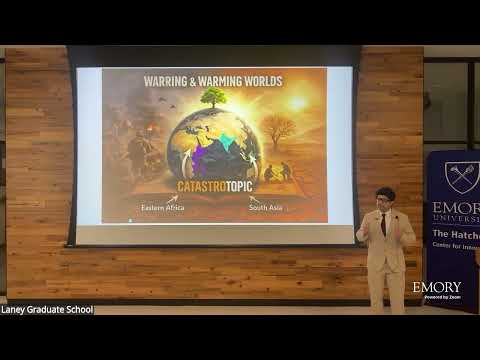
This dissertation examines contemporary literature from South Asia and Eastern Africa to explore how narratives of war and climate crisis reshape our understanding of survival, care, and belonging. Introducing the concept of the catastrophopic, it argues that Global South literature offers powerful frameworks for ecological responsibility and collective world-making.

This research develops an Indigenous-informed video game that teaches environmental stewardship through reciprocal relationships with the land. Drawing on community knowledge and storytelling, the game challenges extractive, colonial approaches common in popular games by making ecological balance, listening, and responsibility essential for survival and success.
This research examines how land is valued beyond economics, drawing on Irish culture, Indigenous knowledge, and Brehon law. Through interviews across sectors, it shows how accounting choices shape human–nature relationships and argues that restoring communal, sacred views of land may be essential for environmental sustainability.