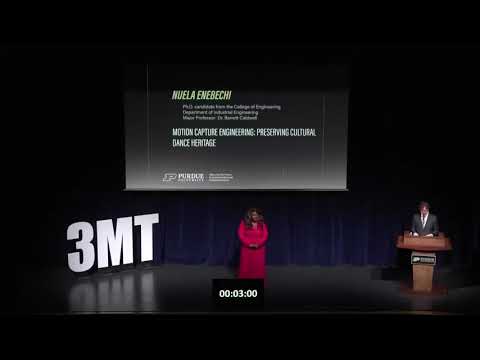
This research examines how Greco-Roman Egyptians engaged with the pharaonic past through funerary landscapes at Deir el-Medina. Using spatial analysis, it reveals increasing reuse of tombs for burial and habitation over time. These interactions embedded the past into daily life, showing how cultural heritage is actively negotiated within lived environments.
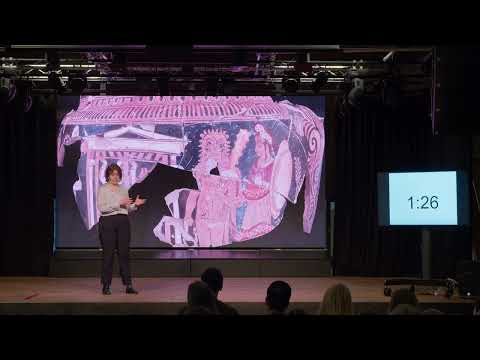
Looted artifacts lose vital historical context, limiting their research value. This project reconstructs lost histories of Greek painted vases by combining warehouse records, stylistic comparison, landscape analysis, and cultural context. Treating artifacts like detective cases allows scholars to reintegrate looted objects into archaeology without legitimizing illegal trade.
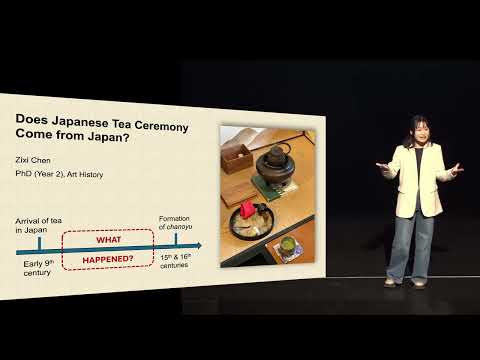
This thesis challenges the idea that Japanese tea ceremony is purely Japanese, showing chanoyu’s roots in Chinese aesthetics, religion, and philosophy. Introduced via Buddhist monks, tea evolved from medicine to art. Recognizing these cross-cultural origins deepens understanding of chanoyu as a living tradition that connects cultures beyond national boundaries and histories.