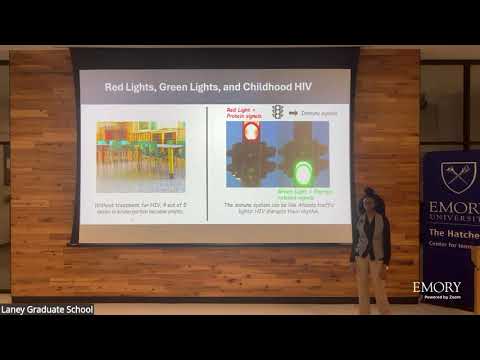
This research investigates how HIV disrupts the developing immune system in early life. Using a baby monkey model of HIV infection, the study identifies immune signals that either promote or limit infection spread. The findings could guide new immune-targeted therapies that improve survival and long-term outcomes for children living with HIV.
2026
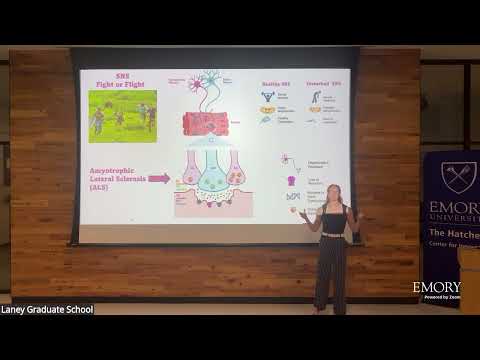
This research shows that the sympathetic nervous system is disrupted at the earliest stages of ALS, despite sympathetic neurons themselves remaining intact. Early loss of signalling receptors may contribute to muscle degeneration and disease progression, identifying new opportunities for earlier diagnosis and therapies that preserve muscle function and improve patient outcomes.
Chronic diseases exhaust the body’s CD8 T cells, weakening their ability to fight infections and cancer. This research identifies CD7 as a key driver of T-cell exhaustion. Removing CD7 keeps T cells active, boosts cytokine production, and improves control of tumors and viruses—offering a promising new immunotherapy target.