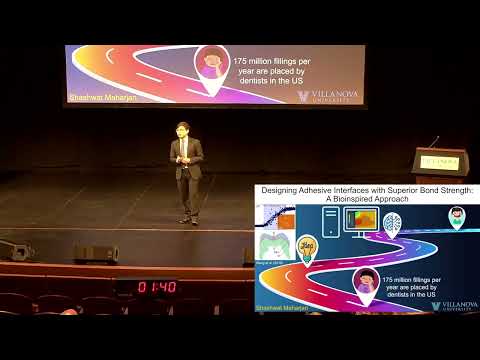
This research advances metal additive manufacturing by replacing wasteful machining with laser-based powder fusion. Inspired by baking, printed metal parts are optimized through microstructural analysis. The approach produces complex geometries with equal or superior strength and durability while significantly reducing material waste, enabling cleaner, more sustainable manufacturing.
2025
2025
This research improves the reliability of metal 3D-printed parts by studying internal porosity using X-ray computed tomography and extreme value statistics. By modeling the largest, failure-critical pores and accounting for uncertainty and geometry effects, it enables better prediction of fatigue performance in aerospace and medical components.
2019
This research develops lightweight nanocomposite materials for aircraft by reinforcing weak glue layers with ultrathin nanofibres. These fibres, 100,000 times thinner than a human hair, can increase strength by up to 700% without adding weight. The goal is safer, lighter planes that reduce fuel use and carbon emissions.